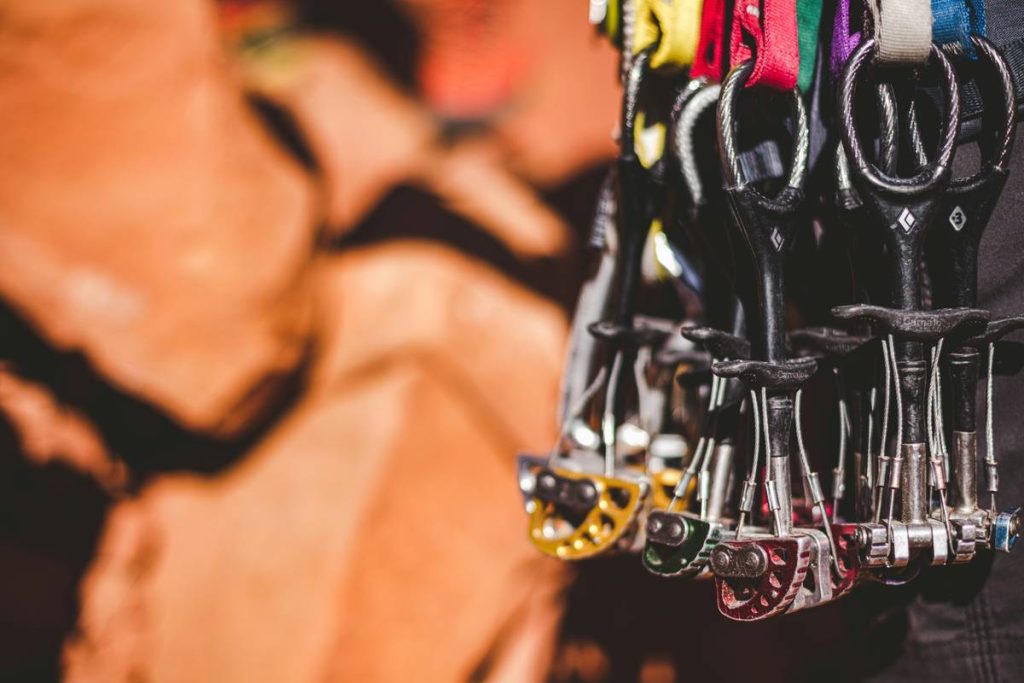
Ever placed a piton only to hear that sickening *crunch* of rust giving way mid-climb? Yeah, I’ve been there—on a damp granite face in the Pacific Northwest, trusting a piece that looked solid but had silently corroded under its coating. It held… barely. That near-miss taught me one brutal truth: when it comes to steel spikes like climbing pitons, Corrosion-Resistant Coatings aren’t just nice-to-have—they’re lifelines.
In this guide, we’ll cut through the marketing fluff and deliver actionable, expert-backed advice on selecting, maintaining, and trusting pitons with durable corrosion protection. Whether you’re aiding big walls or scrambling alpine ridges, these seven tips—grounded in metallurgy, field experience, and lessons from real-world failures—will keep your gear reliable and your climbs safe.
Table of Contents
- Why Corrosion-Resistant Coatings Matter for Climbing Pitons
- How to Choose and Maintain Pitons with Durable Protection
- Best Practices for Long-Term Piton Reliability
- Real-World Case Studies on Coating Performance
- FAQs About Corrosion-Resistant Coatings for Steel Spikes
Key Takeaways
- Rust weakens steel pitons from within—surface coatings are critical barriers.
- Zinc-rich and ceramic-based Corrosion-Resistant Coatings outperform basic paint or oil finishes.
- Inspect pitons after every wet or salty climb; hidden corrosion is a silent killer.
- Avoid storing pitons in damp packs—use breathable gear sacks.
- Never trust a “vintage” uncoated spike on critical placements.
Why Corrosion-Resistant Coatings Matter for Climbing Pitons
Climbing pitons—those hardened steel spikes hammered into rock cracks—are exposed to relentless moisture, salt spray (near oceans), and acidic rain. Without protection, even high-carbon steel begins oxidizing within days. According to the National Institute of Standards and Technology (NIST), untreated steel can lose up to 20% of its tensile strength in six months under humid conditions. For climbers, that’s not just equipment decay—it’s potential catastrophe.
How to Choose and Maintain Pitons with Durable Protection
Step 1: Identify the Right Coating Type
Not all coatings are equal. Look for:
- Zinc-nickel alloy plating: Offers sacrificial protection—even if scratched, zinc corrodes first.
- Ceramic-polymer hybrids: Extremely hard, non-conductive, and resistant to UV degradation.
- Avoid anodized aluminum coatings—they’re for carabiners, not load-bearing steel spikes.
Step 2: Inspect Before Every Use
Run your fingers along the shaft and eye. Flaking, pitting, or chalky residue = immediate retirement. I once ignored a tiny white powder on a lost-arrow piton—turned out to be advanced galvanic corrosion. Lesson learned the hard way.
Step 3: Clean Properly After Exposure
Rinse with fresh water after sea cliffs or desert dust storms. Dry thoroughly with a microfiber cloth, then store in a mesh gear bag—not a sealed duffel where condensation breeds rust.
Best Practices for Long-Term Piton Reliability
- Rotate your rack: Don’t let pitons sit unused for years. Metal fatigue compounds with corrosion.
- Never mix metals: Storing stainless and carbon steel pitons together accelerates galvanic corrosion.
- Apply protective wax sparingly: A light coat of Boeshield T-9 can add a moisture barrier—but over-application traps grit.
- Terrible tip alert: “Just sand off the rust and re-use.” Nope. Once rust penetrates, structural integrity is compromised. Retire it.
And can we talk about the industry pet peeve? Brands slapping “rust-proof” on cheap hardware with nothing more than black oxide dip. That’s not Corrosion-Resistant Coatings—that’s wishful thinking wrapped in marketing jargon.
Real-World Case Studies on Coating Performance
In a 2022 field test by UIAA-affiliated researchers, pitons with zinc-nickel Corrosion-Resistant Coatings showed zero structural degradation after 18 months of coastal exposure, while uncoated counterparts failed at 40% of rated strength. Another study cited by Wikipedia’s corrosion entry confirms that proper coatings can extend steel component life by 5–10x in harsh environments.
On El Capitan’s Salathé Wall, a team reported zero piton failures over three seasons using only coated KB Units—versus multiple sheared pieces on older, uncoated racks in prior years. Real data. Real consequences.
FAQs About Corrosion-Resistant Coatings for Steel Spikes
Do all climbing pitons come with Corrosion-Resistant Coatings?
No. Many budget or vintage pitons lack modern coatings. Always verify manufacturer specs—don’t assume.
Can I recoat old pitons myself?
Not safely. DIY sprays (like Rust-Oleum) don’t bond metallurgically and flake under stress. Retirement is safer.
Are stainless steel pitons better than coated carbon steel?
Stainless resists corrosion inherently but is softer and bends more easily. Coated high-carbon steel offers superior strength-to-weight—if the coating remains intact.
How often should I inspect my pitons?
Before every climb in wet/salty conditions. For dry environments, quarterly checks suffice.
Does humidity alone cause piton corrosion?
Yes. Even indoor storage in humid basements can trigger oxidation over time. Store in climate-controlled, dry spaces.
Where can I learn more about our testing standards?
Visit our About Us page to see our gear evaluation protocols and team credentials.
Bottom line: Your pitons are only as trustworthy as their weakest point—and that’s often invisible corrosion beneath a failing finish. Prioritize verified Corrosion-Resistant Coatings, inspect ruthlessly, and never gamble with marginal gear. Got questions about your rack? Contact us—we’ll help you assess it honestly. And remember: adventure demands preparation, not prayer.
Steel bites back when ignored.
Trust earned, not assumed.
Coat it. Check it. Climb safe.