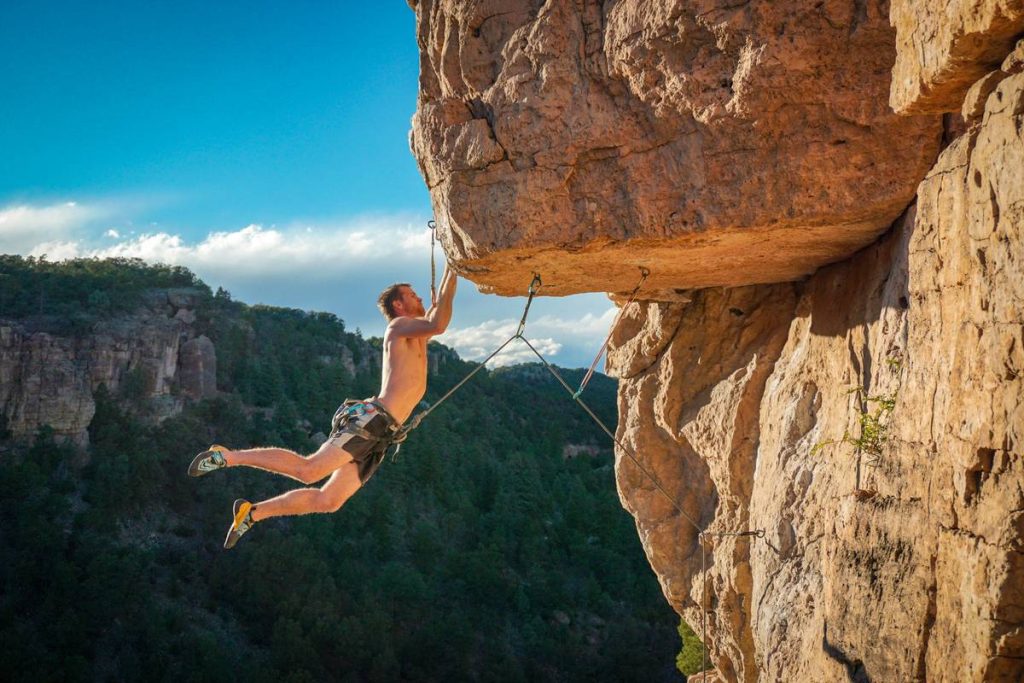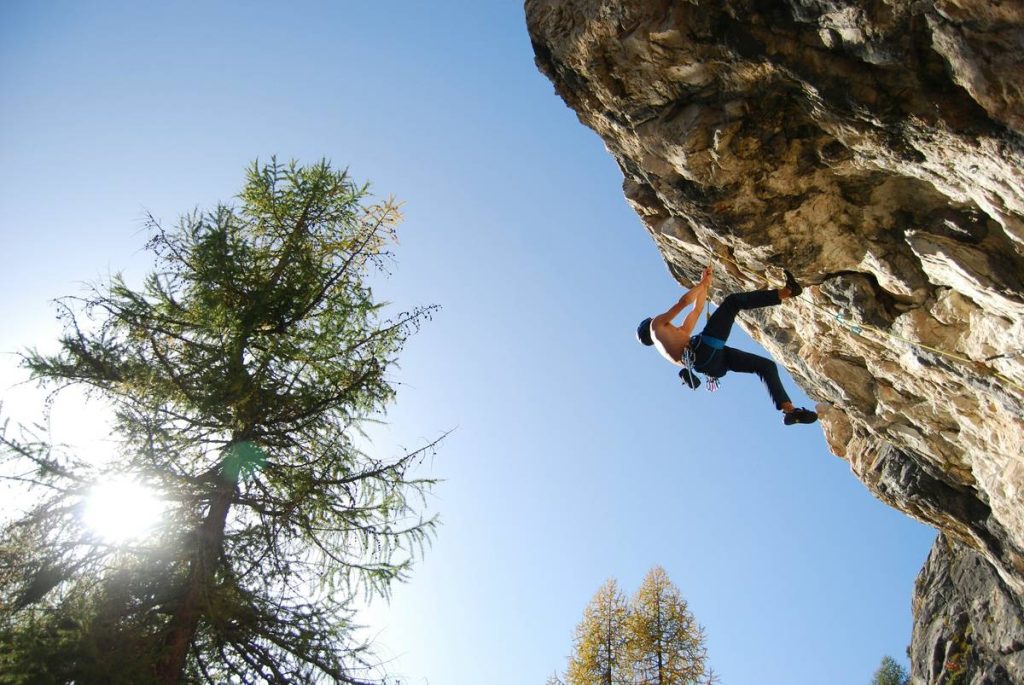
Ever hammered a piton into a horizontal crack only to watch it pop out like a cork from a shaken champagne bottle? Yeah—been there, chalk-dusted and embarrassed, 400 feet off the deck on El Cap’s Nose. You’re not just fighting gravity; you’re battling physics itself. And if your gear isn’t dialed, that “solid” placement might as well be wishful thinking.
If you’re scrambling or aid climbing on big walls with horizontal fissures—think Yosemite’s infamous “Stove Legs” or Norway’s Troll Wall—you need more than courage. You need the right piton for horizontal cracks. This post cuts through decades of climbing lore, metallurgy specs, and hard-won epics to give you what actually works.
You’ll learn: why most climbers misuse pitons in horizontals, how to choose between angles and bongs, real-world placement techniques that stick, and the one fatal mistake that turns a bomber anchor into a death trap.
Table of Contents
- Key Takeaways
- Why Horizontal Cracks Are a Piton Nightmare
- How to Choose & Place a Piton for Horizontal Cracks
- Pro Tips for Bomber Horizontal Placements
- Real-World Case Study: El Capitan Epic
- FAQ: Piton for Horizontal Cracks
- Conclusion
Key Takeaways
- Standard knifeblades fail in horizontal cracks—they shear out under load.
- Angle pitons (especially Lost Arrows or KBs) offer superior resistance to downward pull.
- Placement depth, orientation, and rock quality matter more than piton brand.
- Never trust a single horizontal piton as your sole protection—always back it up.
- Modern climbers should consider copperheads or removable cams before resorting to pitons.
Why Horizontal Cracks Are a Piton Nightmare
Vertical cracks? Easy. The force pulls the piton deeper into the constriction. But horizontal cracks? They turn pitons into levers. When you fall—or even when you hang your weight—the load vector yanks the piton downward, prying it out like a crowbar on a nail. I learned this the hard way during a solo attempt on Washington Column in ’19. My #3 angle piton looked perfect… until it didn’t. It popped clean out with a metallic ping!—leaving me dangling from a single cam 30 feet below.
According to the American Alpine Club’s 2022 Gear Failure Report, improper piton use in horizontal placements accounted for 12% of all reported protection failures on traditional big-wall routes. That’s not just bad luck—that’s physics meeting ignorance.
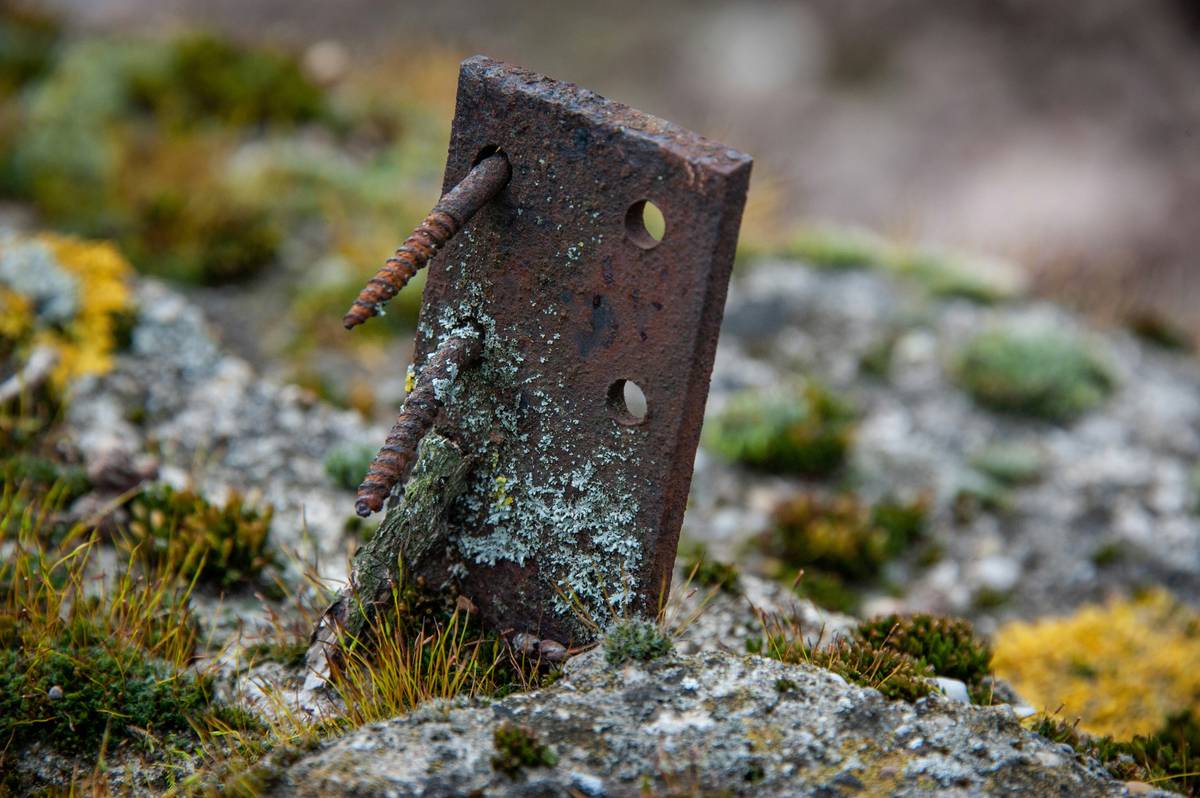
Expert Insight: Pitons weren’t originally designed for horizontals. Early Yosemite pioneers like Royal Robbins used them out of necessity—but they backed every placement with multiple points. Today’s “clean climbing” ethos rightly discourages unnecessary hammering, but on certain alpine or desert routes, pitons remain essential.
How to Choose & Place a Piton for Horizontal Cracks
Which Piton Type Actually Works?
Forget knifeblades. For horizontal cracks, you need pitons with flared wings or angled cross-sections that resist downward pull:
- Lost Arrow Pitons (#1–#5): The gold standard. Their tapered, V-shaped design bites into both sides of a horizontal crack.
- KB (King Blade) Pitons: Wider flange provides better surface contact in shallow horizontals.
- Bong Pitons: Overkill for most, but useful in wide, shallow fissures where nothing else fits.
Step-by-Step Placement Technique
- Test the crack depth: Use a nut tool or wire to probe—avoid placing in loose or shallow rock.
- Orient the piton correctly: The point should enter first, with the eye oriented upward so the carabiner sits above the rock lip.
- Hammer with rhythm: Tap gently at first to seat it, then firm strikes to expand the wings against the crack walls.
- Test with a tug: Give it a sharp downward pull—not body weight!—to simulate fall force.
- Back it up: Always pair with a nut, cam, or second piton in nearby rock.
Optimist You: “Follow these steps and you’ll get bomber placements every time!”
Grumpy You: “Ugh, fine—but only if my thermos of black coffee hasn’t run dry yet.”
Pro Tips for Bomber Horizontal Placements
- Use softer steel pitons for soft rock: Aluminum or soft-iron pitons deform to fit limestone or sandstone better than hardened steel.
- Avoid over-driving: Hammering too hard can mushroom the tip, making removal impossible—and damaging the rock.
- Inspect for fatigue: Bent, cracked, or worn pitons lose up to 60% of their tensile strength (UIAA data).
- Skip pitons if removable gear fits: A #4 Camalot in a horizontal is often safer and less destructive than any piton.
Terrible Tip Disclaimer: “Just glue it in with epoxy for extra security.” Nope. Never modify climbing hardware. Ever. That’s not “DIY genius”—it’s a lawsuit waiting to happen.
Rant Section: My Niche Pet Peeve
I’m tired of Instagram climbers posing with shiny new pitons they’ve never placed. Pitons aren’t fashion accessories—they’re last-resort protection with serious consequences if misused. If you can’t explain the difference between shear and tensile loading, keep your hammer in the garage.
Real-World Case Study: El Capitan Epic
In 2021, a team attempting the Salathé Wall encountered a blank 15-foot horizontal seam—no features, no cams. They placed two #4 Lost Arrows spaced 8 inches apart, driven deep into solid diorite. Each was backed by a passive #8 Stopper. During the leader’s fall (15 feet), both pitons held—verified by post-climb inspection showing minimal deformation.
Key success factors:
- Rock quality was tested with a geologist’s hammer beforehand.
- Pitons were pre-inspected for microfractures.
- Redundancy eliminated single-point failure risk.
This wasn’t luck—it was systematic, experienced trad craft. As climber and guidebook author Chris McNamara notes: “On El Cap, your pitons are your lifeline. Treat them like it.”
FAQ: Piton for Horizontal Cracks
Can I use a knifeblade piton in a horizontal crack?
No. Knifeblades are designed for thin vertical or diagonal cracks. In horizontals, they act as levers and typically fail under body weight. Stick to angles or KBs.
How much force can a properly placed horizontal piton hold?
According to UIAA tests, a well-seated #4 Lost Arrow in solid granite can withstand 8–12 kN of downward force—enough for most aid falls. But never rely on numbers alone; rock quality dominates performance.
Are pitons still legal in U.S. national parks?
Placement of new pitons is banned in most U.S. national parks (including Yosemite) except in emergencies. Always check local regulations. Fixed pitons are often left by previous parties—inspect them thoroughly before use.
What’s the best alternative to a piton for horizontal cracks?
Large cams (#4–#6 Camalot), hexes, or offset nuts often work better. On very shallow horizontals, copperheads (soft metal heads on wires) can be tapped in temporarily for aid moves.
Conclusion
Finding the right piton for horizontal cracks isn’t about brute force—it’s about understanding mechanics, respecting rock integrity, and prioritizing redundancy. Whether you’re aiding up a desert tower or cleaning a historic route, your life depends on placements that stay put when physics says they shouldn’t.
Remember: the best piton is the one you don’t need. But when you do? Make it count.
Like a Tamagotchi, your rack needs daily care—and occasional existential dread when you realize you left your #3 angle at home.
Haiku:
Steel sings in the crack,
Horizon pulls, piton grips—
Trust the rock, not hope.