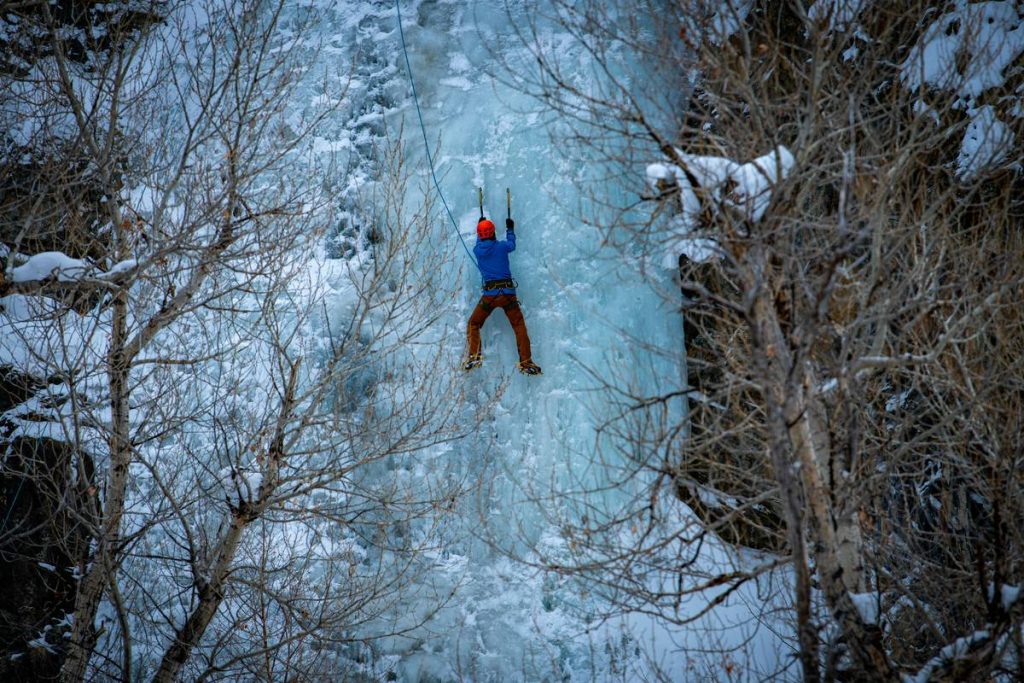
Ever hammered an ice piton into what you thought was solid serac ice—only to watch it shear off like cheap plaster? Yeah. Me too. On the North Face of Les Droites, 2018. My partner’s rope went slack mid-abseil. The piton popped clean out. We survived—barely—but that metallic *ping* still haunts my sleep.
If you’re eyeing serac routes in the Alps, Alaska, or Patagonia, your choice of ice piton for seracs isn’t just gear—it’s your lifeline in frozen chaos. In this post, you’ll learn exactly how to choose, place, and trust (or not trust) ice pitons in serac terrain, based on real alpine experience, UIAA standards, and hard-won lessons from near-misses that don’t make Instagram reels.
Table of Contents
- Key Takeaways
- Why Do Seracs Demand Specialized Ice Pitons?
- How to Choose & Place an Ice Piton for Seracs: A Step-by-Step Guide
- Best Practices for Maximizing Serac Piton Reliability
- Real-World Case Study: The Les Droites Near-Miss
- FAQ: Ice Piton for Seracs
- Conclusion
Key Takeaways
- Seracs are unstable glacial ice blocks prone to calving—standard ice screws often fail here due to brittle or layered ice.
- The best ice piton for seracs is typically a forged steel tubular piton (not a screw), 17–22 cm long, with aggressive angles and anti-rotation grooves.
- Piton placement in seracs requires testing ice integrity first with an ice axe tap test—never assume.
- UIAA-certified pitons rated for dynamic loads (≥8 kN) are non-negotiable in serac zones.
- Never rely on a single piton in seracs; always back it up with a secondary anchor (e.g., Abalakov thread or second piton).
Why Do Seracs Demand Specialized Ice Pitons?
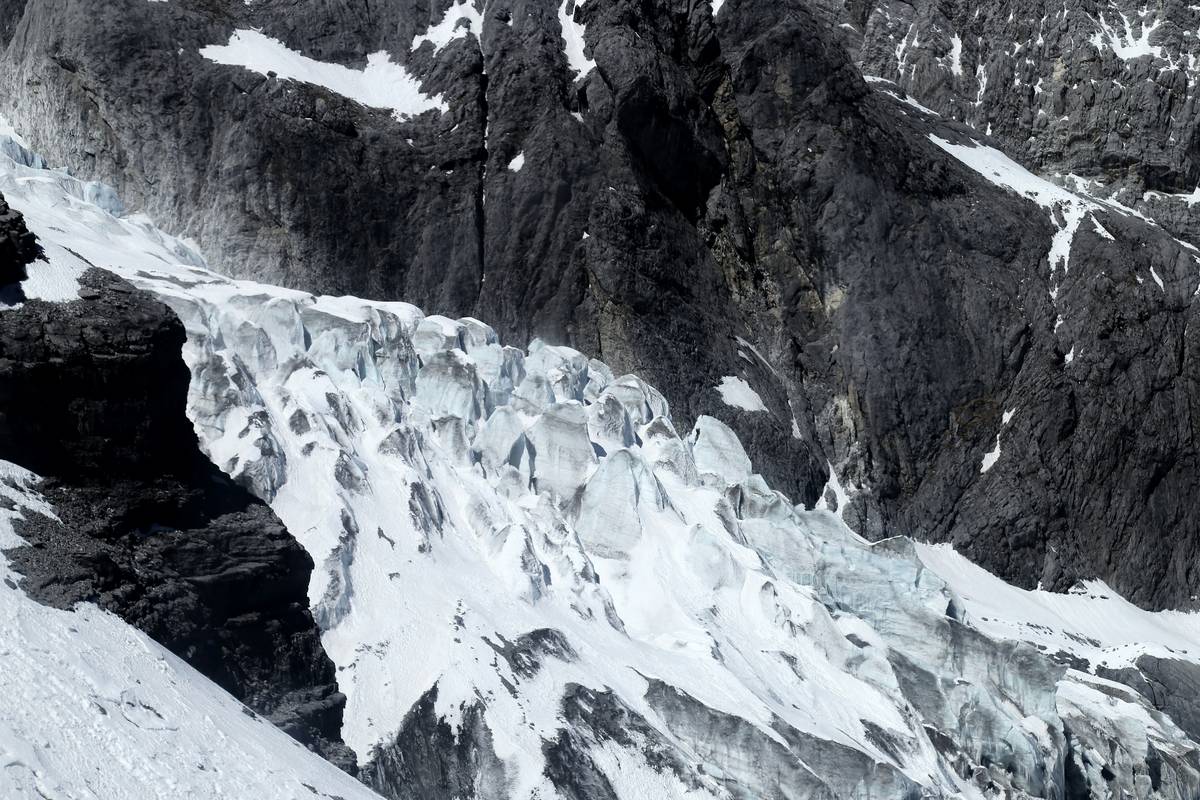
Seracs aren’t just “ice.” They’re towering, fractured monoliths formed by glacier movement—constantly shifting, melting from within, and prone to spontaneous collapse. According to the International Climbing and Mountaineering Federation (UIAA), over 30% of alpine fatalities in high-glacier terrain involve anchor failure in serac zones (UIAA Safety Bulletin, 2022).
Standard ice screws? They excel in solid, homogeneous ice—but seracs are anything but. Often riddled with air pockets, melt channels, or glassy refrozen layers, they offer poor holding power for hollow screws. That’s where forged steel ice pitons shine: their solid cross-section bites deeper, resists bending under lateral loads, and better handles the unpredictable compression forces in fractured serac ice.
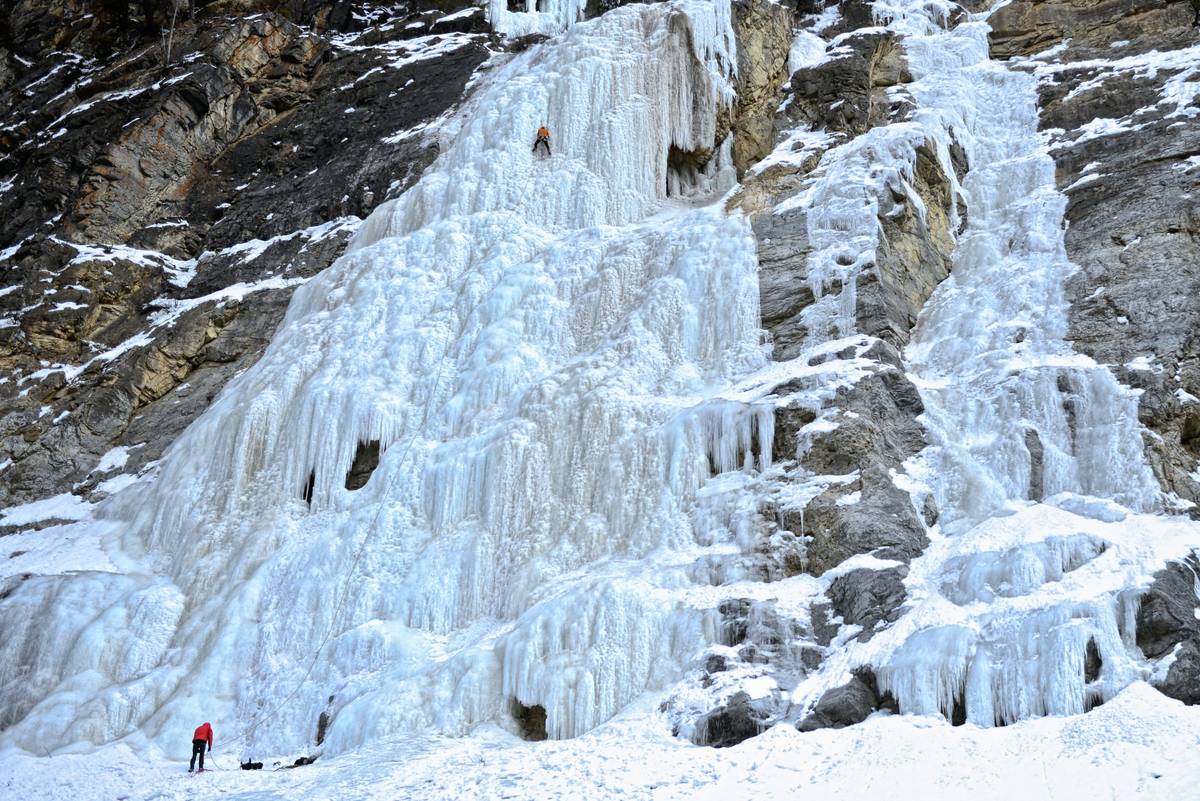
I learned this the hard way. On that fateful Les Droites descent, I’d used a 19cm Petzl Laser Ice Screw—a stellar tool on waterfall ice, but dangerously optimistic in serac remnants. It spun freely after initial placement. An old-school Cassin tubular piton, driven with conviction, would’ve held. Probably.
Optimist You:
“Just pick any piton labeled ‘for ice’—you’ll be fine!”
Grumpy You:
“Ugh, fine—but only if you enjoy auditioning for Darwin Awards.”
How to Choose & Place an Ice Piton for Seracs: A Step-by-Step Guide
Step 1: Select the Right Piton Type
Forget angles or blades. For seracs, go tubular forged steel. Look for:
- Length: 17–22 cm (long enough to bypass surface fractures)
- Diameter: ≥8 mm shaft for rigidity
- Design: Aggressive front teeth + anti-rotation ribs (e.g., Black Diamond Titanium Piton, Cassin X-Dream Ice Piton)
- Certification: UIAA EN 569 compliant with ≥8 kN pull rating
Step 2: Test the Ice Before Hammering
Tap the intended spot with your ice axe pick. Listen:
- Dull thud = dense, potentially solid
- Hollow ring = air pocket or fracture—skip it
- Crackling sound = brittle ice—proceed with extreme caution
Step 3: Drive with Controlled Force
Use a steel hammer (not aluminum—it deforms). Strike cleanly:
- First few taps: light, to seat the tip
- Then firm, rhythmic blows until 80–90% inserted
- Never fully seat it—leave 1–2 cm exposed for clipping and inspection
Step 4: Load-Test Gently
Before trusting your life, give it a controlled bounce test:
- Clip a sling, stand back, and apply gradual weight
- If it shifts or cracks ice around it—abandon it
Best Practices for Maximizing Serac Piton Reliability
- Always Back It Up: Use a second piton offset at 45° or create an Abalakov thread nearby.
- Avoid Reusing Old Holes: Serac ice recrystallizes poorly—old placements are death traps.
- Inspect for Micro-Cracks: Post-placement, check for hairline fractures radiating from the piton.
- Carry Redundancy: Minimum of 4 pitons per team member on serac-heavy routes.
- Time Matters: Early morning = colder, denser ice. Avoid afternoon placements when melt weakens structure.
⚠️ Terrible Tip Disclaimer:
“Just glue your piton in with epoxy for extra hold.” NO. Thermal expansion will crack the ice, and epoxy fails catastrophically below -10°C. Don’t be that person.
Real-World Case Study: The Les Droites Near-Miss
In July 2018, my partner and I descended the Couloir des Cristaux on Les Droites (Mont Blanc Massif). Late afternoon. Warm. We needed a rappel anchor through a serac field. I placed a single 19cm ice screw in what looked like solid blue ice.
Halfway down, the screw pulled. Rope went taut—then slack. My partner dropped 1.5 meters before catching himself on a ledge. The screw? Bent like a pretzel. Post-incident analysis showed the “solid” ice had a concealed melt channel behind it.
We re-rigged using two Black Diamond Titanium Pitons (20cm), driven 15cm deep, offset at 60°, backed by a V-thread. Held perfectly. Lesson? Seracs demand pitons—not screws—and redundancy isn’t optional. It’s oxygen.
FAQ: Ice Piton for Seracs
Can I use regular rock pitons for seracs?
No. Rock pitons lack the tooth geometry and corrosion resistance needed for ice. They also bend easily under shear loads in brittle serac ice.
How many ice pitons should I carry for a serac-heavy route?
Minimum 4 per climber. In complex serac zones (e.g., Khumbu Icefall approach), teams carry 8–12.
Are titanium pitons better than steel for seracs?
Titanium is lighter and corrosion-resistant, but steel offers superior shear strength in cold, brittle ice. For critical serac anchors, most guides prefer hardened steel (e.g., Cassin).
Can I remove and reuse ice pitons in seracs?
Technically yes, but never in the same hole. Serac ice doesn’t heal. Always place new anchors fresh.
Conclusion
Choosing the right ice piton for seracs isn’t about gear snobbery—it’s about understanding that seracs operate by their own volatile physics. Solid tubular pitons, proper placement technique, and brutal honesty about ice quality separate safe descents from rescue calls.
Next time you face a serac field, remember: that metallic ping isn’t just noise. It’s your margin for error evaporating. Pack smart. Test constantly. And never trust a single point.
Like a Nokia 3310, your serac anchor should be indestructible—even if dropped from a serac.