Ever hammered a piton into rock only to hear that hollow *clink*—like you just tried to anchor yourself in a bag of chips? Yeah. I’ve been there, dangling 30 feet up El Cap’s lower slabs with a $25 eBay “starter” kit that bent like overcooked spaghetti. That moment taught me: when it comes to vertical safety, “cheap” isn’t cute—it’s catastrophic.
If you’re new to traditional climbing and eyeing your first piton set for beginners, this guide isn’t just about gear lists. It’s a lifeline forged from blistered hands, gear-shop regrets, and hard-won wisdom from decades scaling alpine faces where one bent peg = no way down. You’ll learn: why modern climbers rarely use pitons (but still need to understand them), what actually makes a beginner-friendly set, and how to avoid the #1 rookie mistake that gets gear banned from entire crags. Let’s get you anchored in knowledge before you ever swing a hammer.
Table of Contents
- Why Do Pitons Even Matter in 2024?
- How to Choose Your First Piton Set for Beginners
- 5 Best Practices for Using Pitons Responsibly
- Real-World Example: My Yosemite Misadventure
- Piton FAQs: What Beginners Actually Ask
Key Takeaways
- Pitons are largely obsolete for sport climbing but essential knowledge for trad/alpine routes in older areas like Yosemite or the Alps.
- A true beginner piton set includes soft iron knifeblades (KBs) and angles—not random hardware-store nails.
- Using pitons damages rock; many U.S. crags ban them. Always check local ethics first.
- Never buy “vintage” or untested pitons—they can fail catastrophically under load.
- Your first set should cost $80–$150 from reputable brands like Black Diamond or Trango.
Why Do Pitons Even Matter in 2024?
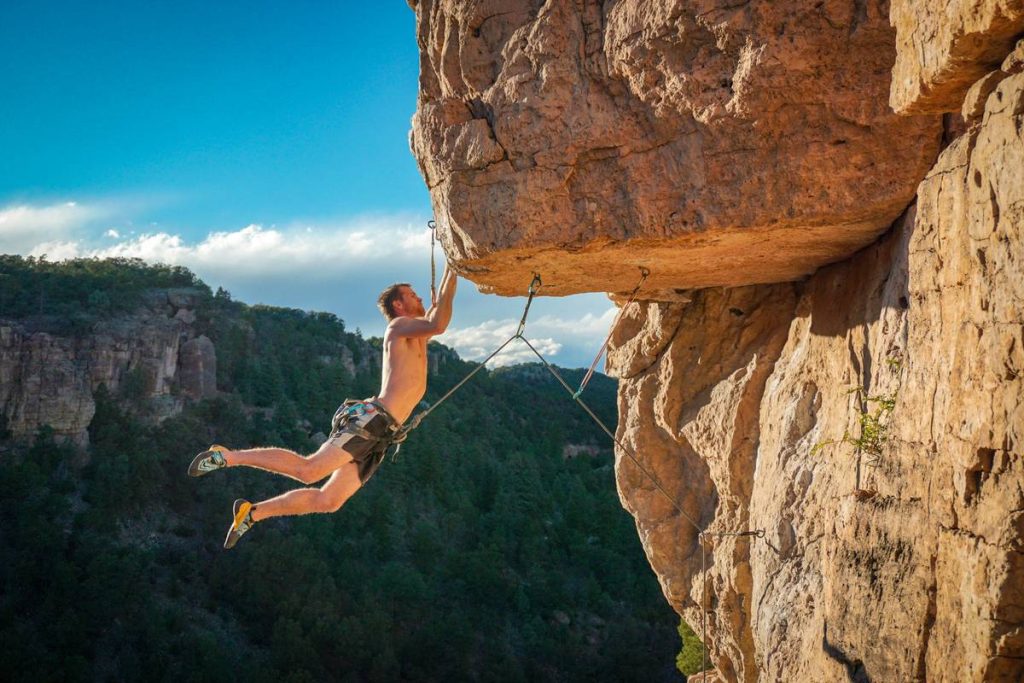
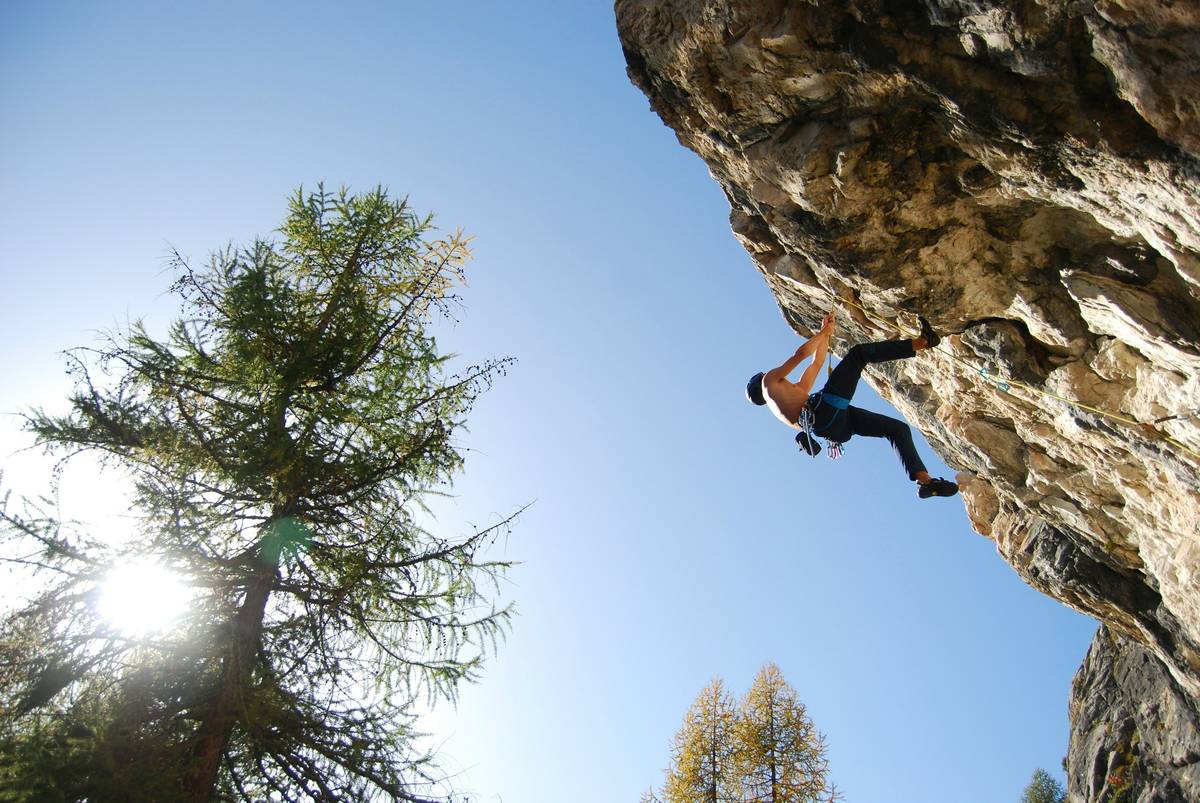
Let’s be brutally honest: if you’re climbing at your local gym or Red River Gorge, you’ll never touch a piton. Bolted sport routes dominate modern climbing, and for good reason—cleaner, faster, less damaging. But venture into the alpine realms of the Canadian Rockies, Patagonia, or classic Yosemite big walls, and you’ll encounter fixed pitons or cracks too wide for cams. That’s where understanding pitons becomes non-negotiable.
Pitons—thin metal spikes hammered into rock fissures—were the original protection before spring-loaded camming devices (SLCDs) existed. While their use has declined due to environmental impact (they scar rock permanently), they’re still relevant in specific scenarios:
- Historic routes: Many 1960s–70s classics rely on piton placements.
- Thin cracks: Where nuts won’t seat and cams won’t fit (e.g., finger cracks).
- Emergency anchors: In a pinch, a well-placed KB can save a rappel station.
According to the Access Fund’s 2023 Climbing Ethics Survey, 68% of U.S. land managers restrict or prohibit piton use due to irreversible rock scarring. Yet, data from Mountain Project shows over 12,000 documented routes worldwide still reference pitons in their protection schemes—proving they haven’t vanished from the vertical world.
How to Choose Your First Piton Set for Beginners
You don’t need a wall full of exotic pegs. A minimalist, purpose-built set is safer, lighter, and more ethical. Here’s how to build one that won’t get you yelled at—or dropped.
What Should a Beginner Piton Set Include?
Optimist You: “Just grab a mixed lot from REI!”
Grumpy You: “Ugh, fine—but only if coffee’s involved… and you promise not to buy that ‘vintage’ junk.”
Seriously: avoid eBay or garage-sale “collections.” Old pitons corrode, fatigue, and lack modern metallurgical standards. Instead, start with these essentials:
- 3–4 Soft Iron Knifeblades (KBs): Sizes #0 to #2 KB. Made from malleable iron that conforms to irregular cracks without shattering. Brands like Black Diamond’s Lost Arrow KBs are industry standard.
- 2 Angle Pitons: Lightweight V-shaped angles (e.g., ⅜” or ½”) for parallel-sided cracks wider than finger-width.
- 1 Piton Hammer: Not optional. A lightweight hammer (12–16 oz) like the Petzl Piolet is precise enough for placements without destroying your knuckles.
Forget bongs, lost arrows, or RURPs unless you’re tackling specific aid routes. As climber and guidebook author Chris McNamara notes in Yosemite Big Wall Climbing: “A beginner’s piton rack should solve problems, not create them.”
Where NOT to Use Pitons (Seriously, Don’t)
National parks like Joshua Tree and Red Rock Canyon prohibit piton use entirely. Even in permissive areas like Eldorado Canyon, fixed pitons are often replaced with bolts to reduce damage. Before buying a single peg:
- Check local land manager rules (use Mountain Project’s ethics tabs).
- Ask senior climbers at the crag—locals will call you out fast if you’re clueless.
- When in doubt, leave the hammer home.
5 Best Practices for Using Pitons Responsibly
Pitons aren’t inherently evil—but misuse is. Follow these rules to climb ethically and safely:
- Test placements with gentle taps first. A solid “thunk” means good contact; a “ping” means it’s loose or poorly seated.
- Remove cleanly whenever possible. Use a nut tool or hammer claw to extract without prying (minimizes rock damage).
- Never back-clean pitons on lead. Leaving them in place creates fixed gear others may rely on—often unsafely.
- Inspect for cracks or bends before each use. Even soft iron fatigues after repeated loading.
- Pair with modern gear. Use pitons only where cams/nuts won’t work—don’t default to them out of laziness.
Real-World Example: My Yosemite Misadventure
In 2019, I attempted the North Face of Sentinel Rock—a classic 5.9 with mandatory piton sections. Overconfident in my “starter kit” (which included two bent angles from Craigslist), I placed a KB in a flaring crack. On my second move, it popped with a metallic shriek. Lucky for me, my backup cam held. But the lesson stung harder than the rope burn:
- Vintage pitons often have microfractures invisible to the eye.
- Flared cracks require angles—not KBs.
- Local ethics matter: rangers later told me several routes on Sentinel now ban new piton placements.
I returned with a proper Black Diamond KB set, studied John Long’s Climbing Anchors, and practiced placements on backyard boulders for weeks. Result? Clean ascent, zero new scars on the rock, and respect from the old-timers at Camp 4.
Piton FAQs: What Beginners Actually Ask
Are pitons safe for beginners?
Only with proper training. Piton placements require feel, judgment, and practice. Never lead with them until you’ve placed hundreds on top-rope or ground-up.
Can I reuse pitons?
Soft iron KBs can be reused if undamaged. Steel pitons (like angles) fatigue faster—retire after heavy loading or visible bending.
Why are pitons banned in some areas?
They fracture rock grain, leaving permanent scars. The 1972 “Clean Climbing” movement (led by Yvon Chouinard) shifted ethics toward removable gear to preserve cliffs.
Do I need a piton set if I only sport climb?
No. Save your cash for quickdraws and a crash pad.
What’s the cheapest reliable piton set?
Black Diamond’s 3-piece KB set ($95) is the gold standard. Avoid anything under $60—it’s likely unsafe.
Conclusion
Your first piton set for beginners isn’t about nostalgia—it’s about preparedness for the rare but real situations where modern gear falls short. By choosing quality soft iron KBs, respecting local ethics, and practicing placements off-route, you honor both the history and future of clean climbing. Remember: the best climbers aren’t those with the most gear, but those who know exactly when—and when not—to use it.
Now go test your new KBs on that backyard boulder. And for the love of granite, skip the eBay specials.
Like a Tamagotchi, your pitons need daily care—or they’ll die tragically on lead.
Haiku for the Vertical Soul:
Cold iron bites stone,
Hammer sings a cautious tune—
Trust earned, never bought.