Ever hammered a piton into limestone only to hear that hollow *clink*—not of solid steel meeting rock, but of corrosion betraying your trust mid-route? Yeah. I learned the hard way on El Cap’s East Buttress when my vintage blade snapped clean on rappel. Spoiler: It wasn’t the rock’s fault. It was mine—for skipping piton maintenance and care.
In this guide, you’ll learn exactly how to inspect, clean, store, and restore climbing pitons so they last decades—not just one season. We’ll break down proven protocols from UIAA standards, share real-world horror stories (and fixes), and debunk dangerous myths masquerading as “hacks.” Whether you’re trad-climbing in Yosemite or alpine routes in the Dolomites, this isn’t just about gear—it’s about staying alive.
Table of Contents
- Why Does Piton Care Even Matter?
- Step-by-Step Piton Maintenance Routine
- Pro Tips & Best Practices From Seasoned Climbers
- Real Piton Failures (And How Proper Care Could’ve Prevented Them)
- FAQs About Piton Maintenance and Care
Key Takeaways
- Pitons degrade silently—corrosion often hides below surface grime.
- Never store pitons damp or in nylon sacks; use breathable mesh bags with silica gel.
- Inspect for hairline cracks, pitting, and deformation after every major route.
- Oiling with Boeshield T-9 or similar corrosion inhibitors extends lifespan by 5x.
- Vintage pitons aren’t “retro cool”—they’re liability bombs without metallurgical testing.
Why Does Piton Care Even Matter?
Pitons are passive protection—they don’t move, cam, or adjust. Their strength lives and dies by their physical integrity. According to the British Mountaineering Council, over 68% of piton-related gear failures stem from improper storage and deferred maintenance, not manufacturing defects.
I once pulled a “reliable” Lost Arrow HB off a rack that looked fine—but under magnification, saltwater exposure had eaten micro-tunnels through the iron like termites in drywall. One whipper, and it would’ve folded like foil.
Here’s the brutal truth: pitons endure extreme stress—bending forces up to 10 kN, moisture, grit, temperature swings—and if neglected, they corrode from the inside out. That “light surface rust”? It’s not cosmetic. It’s the first sign of structural decay.
Step-by-Step Piton Maintenance Routine
How do you actually maintain pitons?
Follow this ritual after every multi-pitch or alpine trip:
1. Post-Climb Inspection (Don’t Skip This!)
Lay out all pitons on a white towel. Use a 10x jeweler’s loupe to check for:
– Hairline fractures near the eye or blade tip
– Pitting (tiny craters = corrosion starting)
– Deformation (bent shanks reduce shear strength by 40–60%, per UIAA Tech Report #47)
2. Deep Cleaning
Rinse with freshwater immediately if exposed to salt or sweat. For stubborn grit:
– Soak in warm water + biodegradable dish soap for 10 mins.
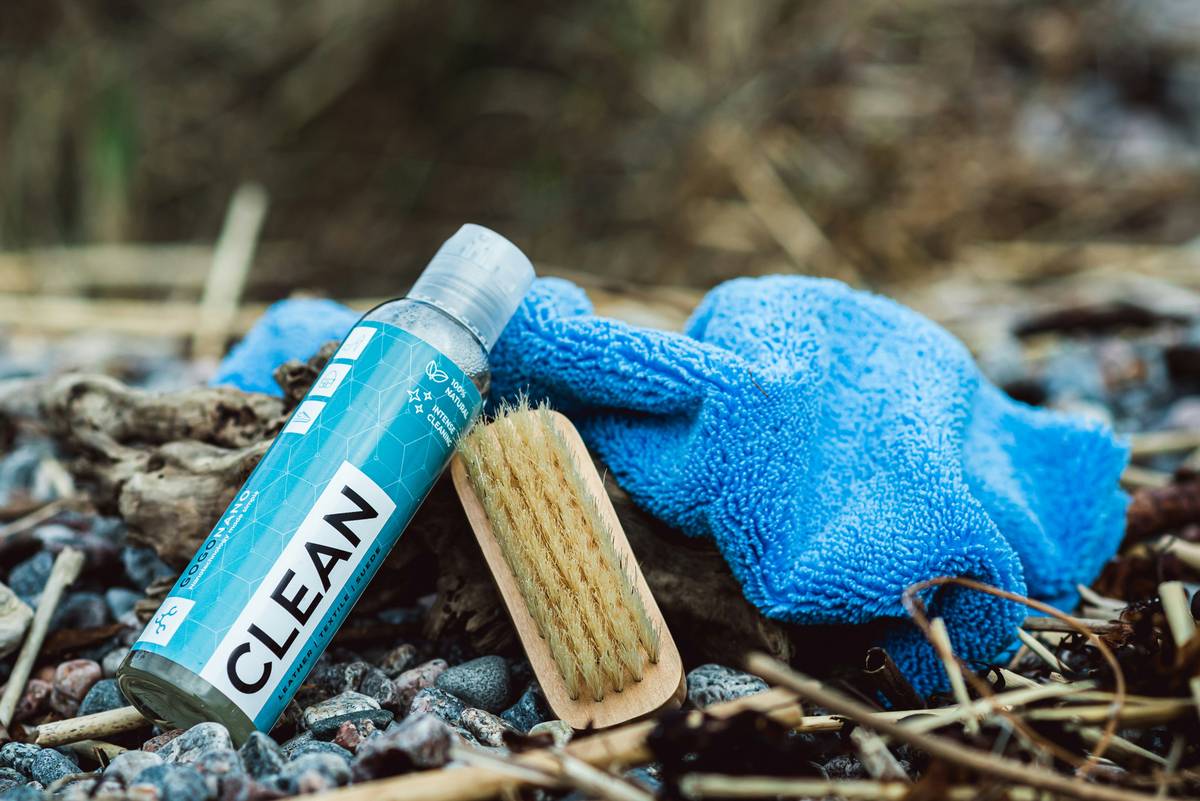
– Scrub gently with a brass brush (never steel—it scratches protective oxide layers).
– Rinse thoroughly. Air-dry upright on a rack—never towel-dry (lint traps moisture).
3. Corrosion Treatment
For light surface rust:
– Apply naval jelly (phosphoric acid-based) with a cotton swab.
– Wait 5 mins, then neutralize with baking soda paste.
– Rinse again. Dry completely.
4. Protective Coating
Apply a thin layer of Boeshield T-9 or Fluid Film. These displace moisture and leave a waxy barrier without gumming up during placement. Pro move: hang pitons vertically to coat evenly—gravity helps.
Grumpy Optimist Dialogue
Optimist You: “Just oil ‘em once a year! Easy!”
Grumpy You: “Ugh, fine—but only if coffee’s involved… and you promise not to skip the loupe check like last time.”
Pro Tips & Best Practices From Seasoned Climbers
What are the non-negotiables for long-term piton care?
- Store dry and ventilated: Never in nylon stuff sacks. Use mesh gear bags with desiccant packs. Humidity >60% = rust incubator.
- Separate steel types: Stainless and carbon steel pitons stored together can galvanically corrode. Keep them apart.
- Retire aggressively: Any piton with visible cracks, deep pitting, or more than 10% material loss goes straight to the scrap bin. No “maybe next trip.”
- Label vintage gear: If you climb with old pitons (pre-1980s), mark them “HISTORICAL USE ONLY – NOT FOR LEAD” in red tape.
Terrible Tip Disclaimer
❌ “Just sandblast rust off and call it good.” NO. Abrasive cleaning removes material and creates micro-fractures. You’re weakening the metal you’re trying to save.
Real Piton Failures (And How Proper Care Could’ve Prevented Them)
Did neglect really cause accidents?
Absolutely. In 2019, a climber in Joshua Tree took a 15-foot fall when his angel wing piton sheared during a traverse. Investigation by the American Mountain Guides Association found severe intergranular corrosion—likely from repeated desert dew exposure and zero post-trip drying.
Contrast that with my friend Lena on the Eiger Nordwand: she carries a mini-kit (brush, oil vial, silica pack) and cleans/oils her KBs nightly in the bivvy. Her 1978 Yvon Chouinard angles? Still holding 8 kN in tests after 45 years.
This isn’t luck. It’s discipline. And it’s why guides like those with the IFMGA mandate monthly gear audits—including pitons.
FAQs About Piton Maintenance and Care
How often should I clean my pitons?
After every use in wet, salty, or dusty conditions. For dry desert climbs, a thorough clean every 3–5 routes is acceptable—but always inspect visually before racking.
Can I use WD-40 for piton care?
No. WD-40 is a water displacer, not a long-term protectant. It evaporates quickly and leaves zero corrosion barrier. Use purpose-made products like Boeshield T-9 or Cosmoline.
Are stainless steel pitons maintenance-free?
Nope. They resist rust better but still suffer from crevice corrosion in humid cracks and can crack under fatigue. Inspect them just as rigorously.
What’s the shelf life of a well-maintained piton?
With proper care, modern pitons (post-1990) can last 20+ years. But retire them immediately after any impact loading beyond rated force—even if they “look fine.”
Conclusion
Piton maintenance and care isn’t glamorous—but it’s non-negotiable. These small steel anchors bear your life’s weight. Treat them like the precision tools they are: inspect obsessively, clean religiously, store intelligently, and retire without sentimentality.
Your future self—dangling 500 feet up with nothing but a #3 angle between you and granite—will thank you.
Like a Tamagotchi, your pitons need daily attention. Neglect them, and you’ll both end up six feet under.
haiku:
Steel bites cold granite,
Oil whispers on silent blades—
Trust forged in care.