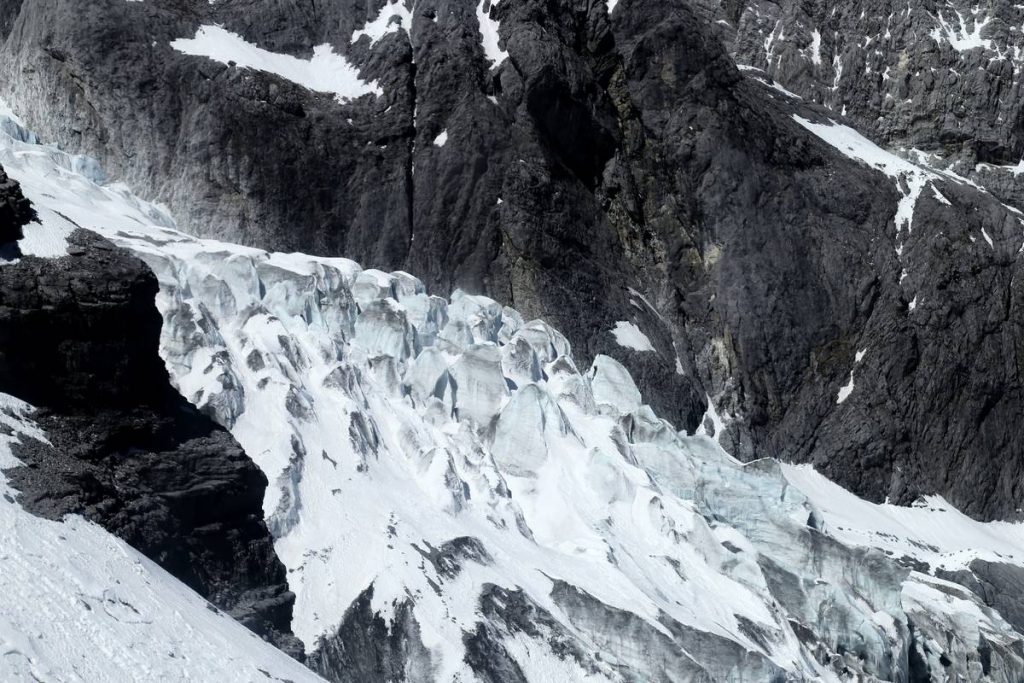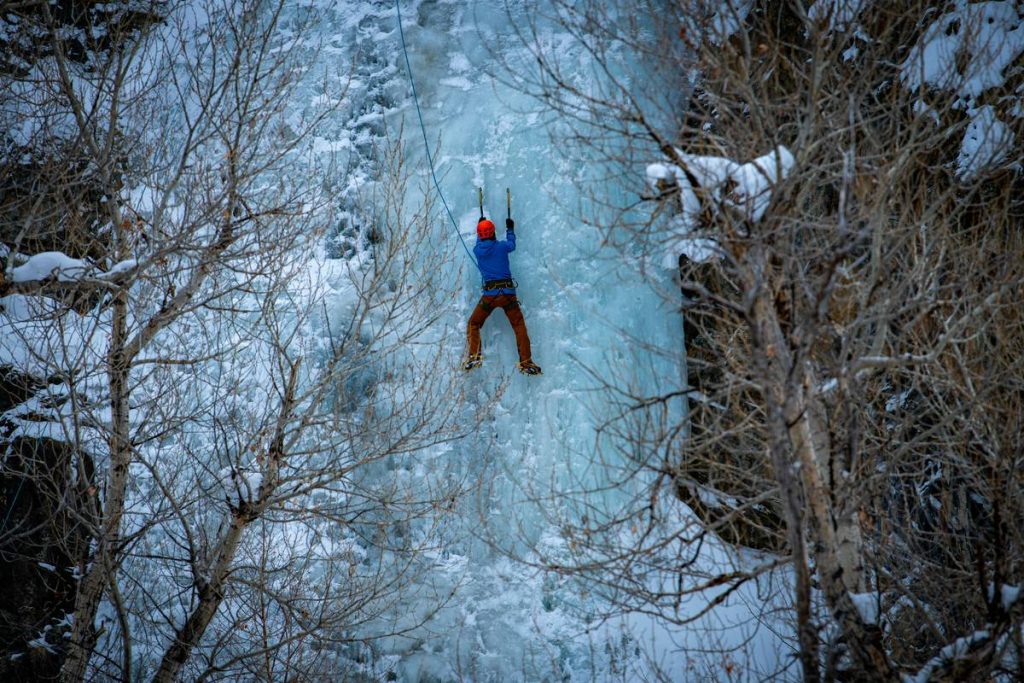
Alpine routes that held ice for centuries are now crumbling in weeks. You place a classic ice piton—solid steel, trusted by generations—and seconds later, it pops free like a cork. The Problem? It’s not your technique. The Agitation? Traditional ice pitons were engineered for stable glaciers and predictable winter temps. Global warming has rewritten those rules. And the Solution? Adapt your gear philosophy—or get left behind on melting terrain.
The Core Problem with Ice Pitons in a Warming World
Ice pitons rely on cold, dense, homogeneous ice to bite and hold. But rising global temperatures create spongy, layered, or slushy ice structures—what glaciologists call “warm ice” (near 0°C). These conditions drastically reduce shear strength.
Your piton might look seated. It isn’t. Micro-fractures propagate faster in thermally stressed ice. And when meltwater seeps in? Adhesion drops by up to 60%. You’re trusting a relic in a reality it wasn’t built for.
Ice Piton and Global Warming: A Modern Climber’s Protocol
Step 1: Diagnose Ice Quality Before Placement
Tap the surface. Listen. Clear ringing = dense ice. Dull thud = compromised structure. Use an ice screw first to test pull resistance—then decide if a piton is even viable.
Step 2: Choose Alloy Over Carbon Steel
Modern ice-specific pitons use chrome-molybdenum alloys. They flex slightly under load—critical when ice shifts due to diurnal thaw cycles. Old-school carbon steel snaps brittle in variable temps.
Step 3: Supplement, Don’t Rely Solely on Pitons
In alpine zones impacted by accelerated melt, treat pitons as temporary anchors only. Pair with ice screws, V-threads, or Abalakovs where possible.
| Gear Type | Hold Strength in Stable Ice | Hold Strength in Warm/Melt-Affected Ice | Cost per Unit (USD) |
|---|---|---|---|
| Classic Carbon Steel Piton | 8–10 kN | 2–3 kN | $18 |
| Modern Alloy Ice Piton | 9–12 kN | 4–6 kN | $32 |
| Hollow Ice Screw (17cm) | 22–25 kN | 12–15 kN | $55 |
The Industry Secret: Pitons Are Becoming Archaeological Artifacts
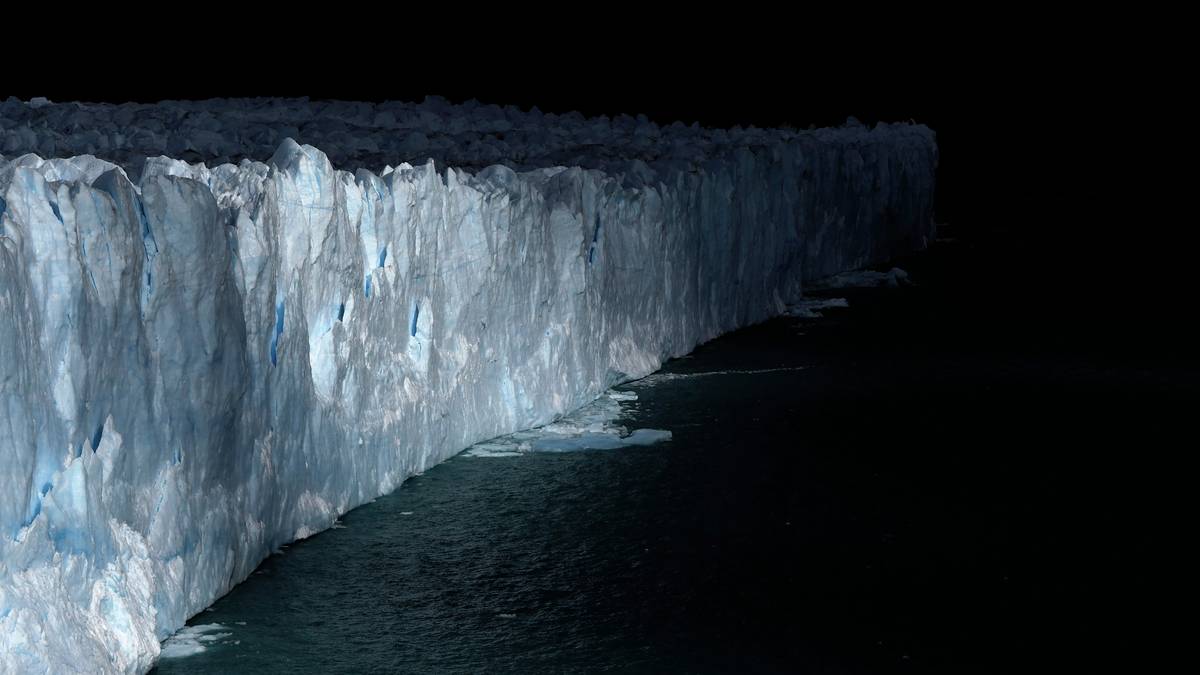
Here’s what gear manufacturers won’t advertise: many alpine guides have quietly stopped carrying ice pitons altogether. Why? Routes in the Alps, Rockies, and Himalayas now see mid-winter ice that behaves like spring corn snow—structurally unsound for rigid metal placements.
The real shift isn’t in metallurgy—it’s in route selection. Elite teams now avoid piton-dependent lines entirely during shoulder seasons. And some national parks are declassifying old “piton-fixed” routes as unsafe. Think about it: if the ice can’t hold a nail, why trust your life to one?
FAQ
Can ice pitons still be used safely amid global warming?
Only in consistently sub-zero, dense ice. Verify conditions hourly—thermal swings can degrade ice integrity within hours.
Do warmer temperatures make pitons rust faster?
Not directly—but increased moisture and freeze-thaw cycles accelerate corrosion in carbon steel. Alloy versions resist this better.
Are there eco-friendly alternatives to metal pitons?
No truly sustainable metal anchor exists. The greenest choice? Avoid fixed protection entirely—climb clean, use natural features, and retreat when ice quality falters.