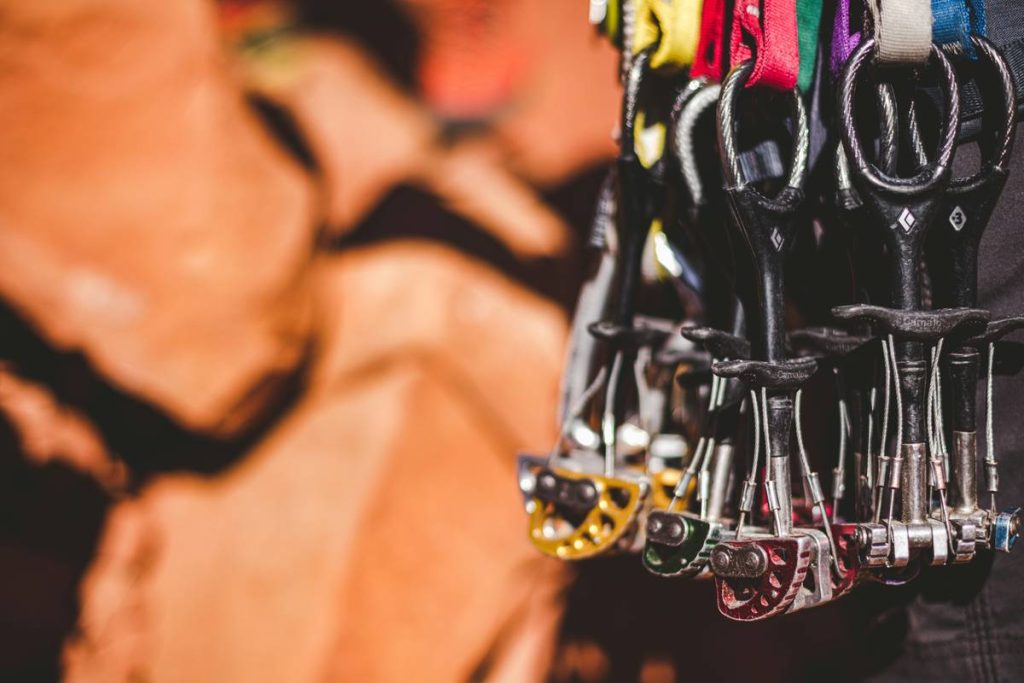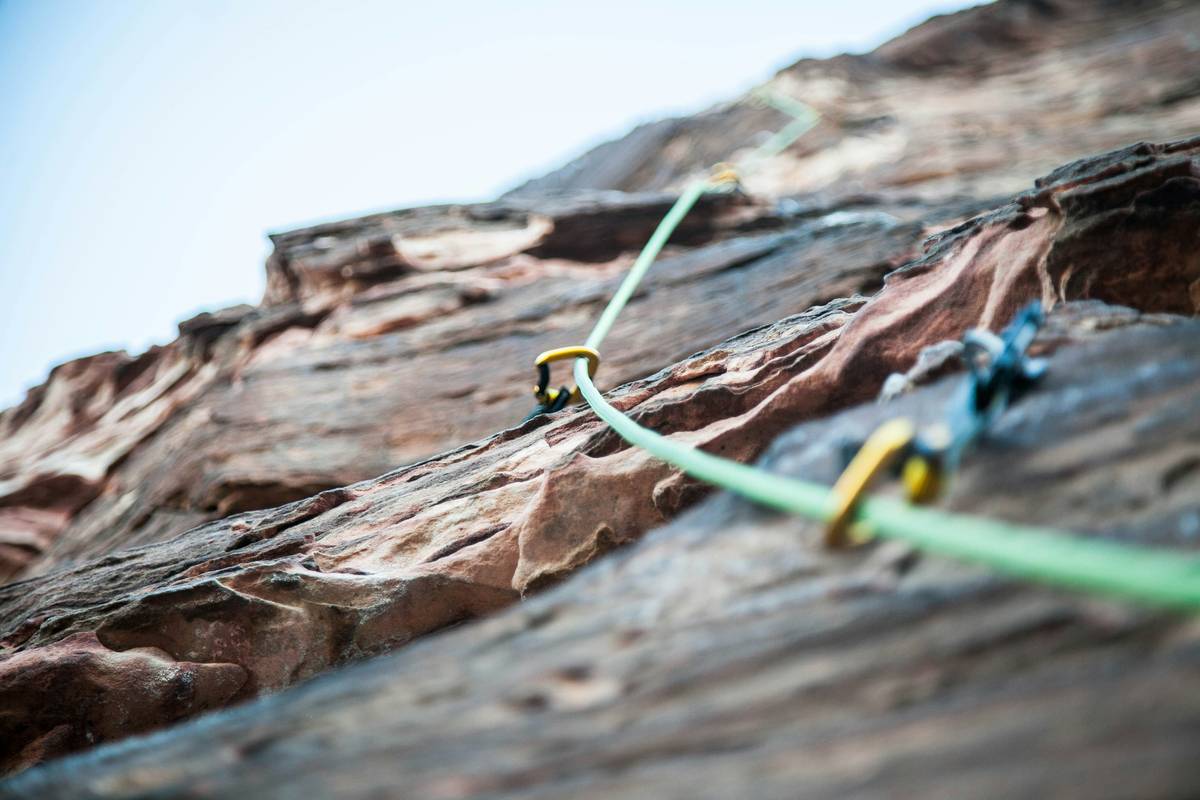
If you’ve ever hammered a piton into rock only to watch it bend like tinfoil on your descent, you know the sting of poor gear choice. In adventure travel—especially technical alpine or big-wall climbing—your pitons aren’t just hardware; they’re lifelines. Yet many climbers still grab whatever’s cheap or shiny without considering material integrity, corrosion resistance, or long-term reliability. That’s where stainless steel pitons change the game. This guide cuts through the marketing fluff and delivers field-tested advice on selecting, using, and trusting these critical steel spikes—so you don’t end up dangling mid-face because your gear failed.
Table of Contents
- Why Stainless Steel Pitons Matter in Modern Climbing
- How to Choose and Use Stainless Steel Pitons Correctly
- Best Practices for Longevity and Safety
- Real-World Case: Where Material Made All the Difference
- Frequently Asked Questions
Key Takeaways
- Stainless steel pitons resist rust and maintain strength in wet, salty, or humid environments—critical for coastal or alpine routes.
- Never assume all “steel” pitons are equal; mild steel corrodes quickly and can fail under load.
- Placement technique matters as much as material—improper seating increases risk of pull-out.
- Inspect pitons before every climb; discard any with visible pitting, bending, or thread damage.
- While passive protection (like cams) dominates modern climbing, pitons remain essential for blank cracks or historical route preservation.
Why Stainless Steel Pitons Matter in Modern Climbing
Let’s be clear: most new routes today rely on removable gear. But when you’re tackling classic aid lines in Yosemite, desert towers in Utah, or sea cliffs in Norway, fixed or hand-placed pitons are often unavoidable. And if those pitons are made from ordinary carbon steel? They’ll rust within seasons—sometimes weeks—compromising shear strength dramatically.
I learned this the hard way on El Cap’s Nose route. I’d borrowed an old rack that included what I thought were “decent” pitons. Halfway up Boot Flake, I placed one in a shallow seam, weighted it—and heard a sickening ping. It snapped clean at the eye. No fall, but the adrenaline crash was brutal. Later inspection revealed heavy surface rust beneath paint. Lesson burned in: stainless steel pitons aren’t a luxury—they’re non-negotiable for durability in variable conditions.
According to the American Alpine Club, corrosion is a leading cause of passive protection failure in maritime and alpine environments. Stainless steel—specifically grades like 304 or 316—offers superior resistance due to chromium content forming a passive oxide layer. This isn’t opinion; it’s metallurgy (Corrosionpedia confirms 316 stainless performs best in chloride-rich settings).
How to Choose and Use Stainless Steel Pitons Correctly
Match the Piton to the Crack
Blade width, thickness, and angle must complement the rock. A knifeblade won’t hold in a finger crack; a bong piton will never seat in a thin seam. Carry a range—but verify each is stamped “SS” or “316.”
Hammer with Precision, Not Force
Over-driving distorts the rock and deforms the piton. Stop when it resists firmly. If it wobbles, remove it—reusing the same hole weakens placement integrity.
Test Before Trusting
Gently tug after placement. A solid “clink” means good contact. A hollow rattle? Pull it and try another spot.
Best Practices for Longevity and Safety
- Clean after every use: Rinse with fresh water if exposed to salt or sweat. Dry completely before storage.
- Store separately: Keep in a ventilated gear sack—not crammed with carabiners that cause micro-gouges.
- Retire early: Any visible corrosion, even superficial, warrants retirement. Don’t gamble with life-support hardware.
- Avoid this terrible tip: “Just coat rusted pitons in oil—they’ll be fine.” Nope. Rust compromises grain structure permanently. Discard them.
And for the love of granite, stop treating pitons like disposable cutlery. I once saw a climber toss a bent mild-steel spike off a cliff “to save weight.” That’s not minimalist—it’s irresponsible. At Rampojigoku, we believe gear stewardship reflects climbing ethics.
Real-World Case: Where Material Made All the Difference
In 2022, a team ascending the Diamond on Longs Peak encountered fixed pitons on the Casual Route. Carbon-steel relics from the ‘80s showed severe pitting. One snapped during rappel anchor setup. Fortunately, they carried backup stainless steel pitons and completed the descent safely. The National Park Service later cited the incident in a report urging climbers to carry corrosion-resistant gear in alpine zones—a stark reminder that environment dictates material necessity.
This isn’t theoretical. Your stainless steel pitons may sit unused 95% of the time, but during that 5%? They’re all that stands between you and catastrophe.
Frequently Asked Questions
Are stainless steel pitons stronger than regular steel ones?
Not inherently in tensile strength—both can meet UIAA standards. But stainless maintains integrity longer in corrosive environments, making it *effectively* stronger over time.
Can I reuse stainless steel pitons?
Yes, if undamaged and properly cleaned. Inspect for bends, cracks, or corrosion before each use.
Do modern climbers still use pitons?
On established aid routes, historic climbs, or blank sections where cams won’t fit—absolutely. They’re niche but vital.
What’s the difference between 304 and 316 stainless pitons?
316 contains molybdenum, offering better resistance to chlorides (e.g., sea spray). For most inland climbs, 304 suffices; coastal routes demand 316.
Are stainless steel pitons legal everywhere?
Some areas ban permanent or hammered protection. Always check local regulations—ethics matter as much as safety.
Choosing the right steel spikes isn’t about looking pro—it’s about coming home intact. If you’re outfitting a rack or replacing questionable gear, prioritize verified stainless steel pitons and inspect them religiously. Got questions about compatibility, sourcing, or route-specific recommendations? Reach out to our team. And remember: we respect your privacy—see our full Privacy Policy for details on how we handle your info.
Final word? “Rust never sleeps—but your pitons shouldn’t either.”