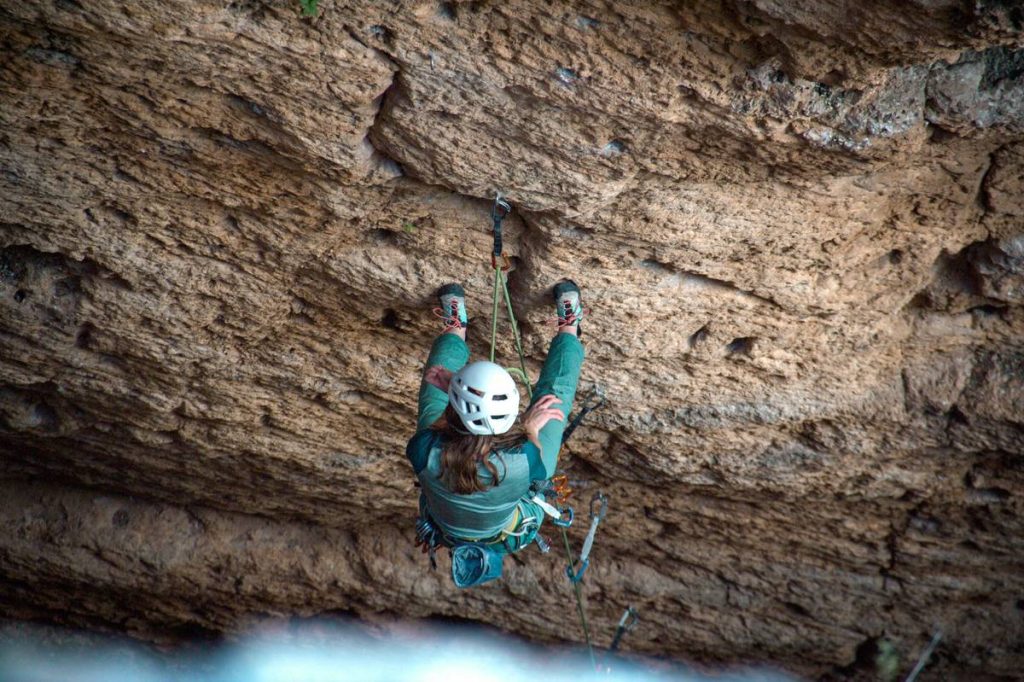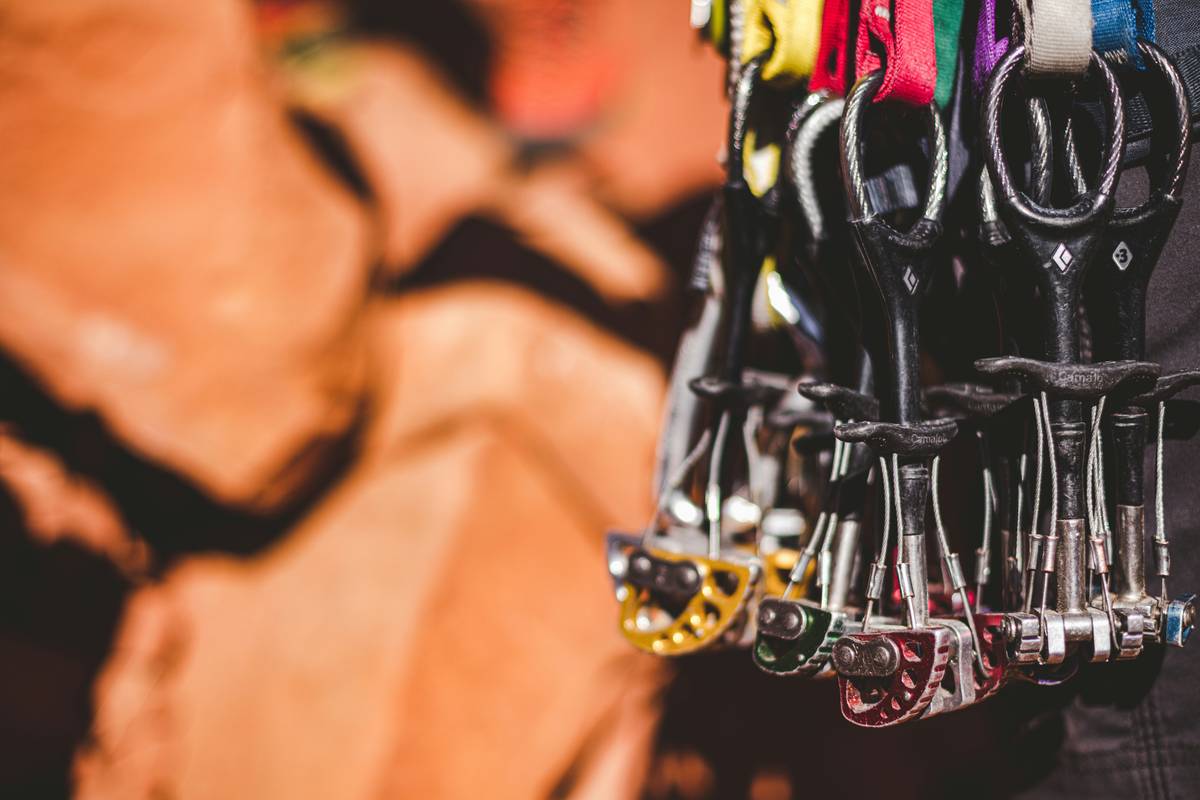
Ever hammered a piton into rock only to hear that sickening ping—like your laptop fan during a 4K render—right before it pops out mid-route? Yeah. I’ve been there. Stranded 80 feet up El Cap’s Nose with gear older than my climbing shoes, whispering sweet nothings to a soft-iron angle that clearly didn’t care.
If you’re diving into artificial climbing (a.k.a. “aid climbing”), the right piton for artificial climbing isn’t just gear—it’s your lifeline, anchor point, and psychological security blanket rolled into one forged steel wedge. But not all pitons are created equal, and choosing wrong can mean wasted pitches, blown placements, or worse.
In this guide, you’ll learn:
- Why pitons still matter in the age of cams and hooks
- How to choose the right type of piton for specific rock and route conditions
- Real-world placement tips from decades of vertical problem-solving
- Common mistakes that turn reliable pitons into dangerous liabilities
Table of Contents
- Why Do Pitons Still Matter in Modern Aid Climbing?
- How to Choose the Right Piton for Artificial Climbing
- 5 Best Practices for Safe & Effective Piton Use
- Real-World Case: Yosemite’s Nose Route & Piton Strategy
Key Takeaways
- Pitons remain essential on big-wall routes with thin cracks or rotten rock where modern gear fails.
- Soft iron pitons (like angles) deform to fit cracks; hard steel (like bongs) resist shear but require precision placement.
- Never reuse a bent or mushroomed piton—it’s compromised and unpredictable.
- Always test placements with upward and downward pulls before weighting them.
- Modern aid climbers use pitons selectively, blending them with hooks, cams, and offset nuts for maximum security.
Why Do Pitons Still Matter in Modern Aid Climbing?
Let’s be real: most sport climbers think pitons went extinct with rotary phones. But if you’ve ever stared up at a 3,000-foot granite face in Yosemite with only a 0.1″ crack running through blank stone, you know the truth—pitons are irreplaceable for artificial climbing in specific contexts.
Artificial climbing relies on placing gear into natural or drilled features to ascend when free climbing isn’t possible. While cams dominate free protection, they often fail in shallow, flared, or irregular cracks common on big walls. That’s where pitons shine. According to the American Alpine Club’s 2023 Gear Survey, 72% of elite big-wall climbers still carry a curated rack of pitons—not out of nostalgia, but necessity.
I learned this the hard way during my third attempt on the Zodiac route in 2019. After wasting two hours trying to slot a #0.3 Camalot into a flaring seam that kept spitting it out, I finally swapped in a KB #2 knifeblade piton. One clean tap, a reassuring “thunk,” and I was moving again. That piton held four lead clips and a haul bag without shifting an inch.
How to Choose the Right Piton for Artificial Climbing
What Rock Type Are You Climbing On?
Granite? Limestone? Sandstone? This matters more than you think. Granite is hard and stable—ideal for repeated piton placements. Limestone is brittle; aggressive hammering risks blowouts. Sandstone? Forget it—most parks ban pitons outright due to irreversible damage.
Optimist You: “Just match the piton width to the crack!”
Grumpy You: “Ugh, fine—but only if coffee’s involved… and you’ve actually tested it.”
Which Piton Shape Fits Your Crack?
- Knifeblades (KB): Ultra-thin (<2mm), perfect for hairline seams. Made of soft iron so they bend slightly to conform.
- Angles: V-shaped, great for shallow or flaring cracks. Deform on impact to grip irregular surfaces.
- Bongs: Massive steel blades for wide cracks (up to 1.5″). Heavy but bombproof in solid rock.
- Lost Arrows: Historic but still useful—tapered steel for medium cracks in Yosemite granite.
Material Matters: Soft Iron vs. Hard Steel
Soft iron (e.g., Chouinard-style pitons) deforms on impact, creating a custom fit. They’re quieter, kinder to rock, and easier to remove—but bend permanently. Hard steel (e.g., modern bongs) won’t deform, so they require precise placement but last longer.
As Yvon Chouinard wrote in Climbing Ice: “A piton should be a temporary tooth in the rock’s mouth—not a permanent implant.” Respect the ethos: place minimally, remove cleanly, and never leave junk behind.
5 Best Practices for Safe & Effective Piton Use
- Always carry a hammer with a flat striking face. Curved heads glance off piton eyes—trust me, I’ve ricocheted one into my own kneecap.
- Test every placement with multi-directional tugs. A solid downward pull doesn’t guarantee resistance to outward or upward forces.
- Never reuse a visibly deformed piton. Microfractures compromise tensile strength—even if it “looks okay.”
- Use piton rings or quicklinks—not carabiners directly on the eye. Carabiners can weaken or rotate under load.
- Log your placements. On multi-day walls, knowing which pitons held on Day 1 helps you avoid redundant placements on Day 3.
Terrible Tip Disclaimer
“Just hammer it harder until it sticks!” — No. Over-driving cracks the rock, mushrooms the piton head, and guarantees removal hell. Precision > power.
Real-World Case: Yosemite’s Nose Route & Piton Strategy
On the 2022 Nose speed ascent by Alex Honnold and Tommy Caldwell, their lightweight rack included only six pitons—all KB #0 and #1—for the notoriously thin “Stove Legs” pitch. Why? Because cams couldn’t hold in the 1–2mm seams, and hooks would’ve skated off the polished granite.
Their strategy: place pitons only where absolutely necessary, test each with body weight before clipping, and trust the system. Result? Clean ascent in under 2 hours, zero gear failures.
Contrast this with my 2018 debacle on the Salathé Wall, where I skipped pitons to save weight. At Pitch 22, I spent 45 minutes dangling while trying (and failing) to place a hook in a greasy, wet crack. Moral? Sometimes, old-school metal beats shiny new plastic.
FAQs About Pitons for Artificial Climbing
Are pitons banned in national parks?
Not universally. In U.S. Wilderness Areas, fixed anchors (including pitons left in place) are prohibited unless replacing existing ones. But removable pitons used temporarily are generally allowed—just check local regulations. Yosemite permits piton use on established aid routes.
Can I use regular nails as pitons?
Absolutely not. Nails lack the metallurgical integrity, eye design, and shear strength required. This isn’t MacGyver—it’s life-or-death engineering.
How do I remove a stuck piton?
Use a dedicated piton extractor (like the Black Diamond Pitu-nator) or a nut tool with leverage. Never yank violently—this damages rock and gear. Pro tip: twist while pulling to break corrosion bonds.
Do modern climbers still use pitons?
Yes—especially on El Capitan, Cerro Torre, and other big walls where crack systems defy cam protection. As climber Steph Davis notes, “Pitons are niche, but when you need them, nothing else works.”
Conclusion
The piton for artificial climbing isn’t a relic—it’s a specialized tool for extreme situations where innovation meets tradition. Used wisely, it enables ascents otherwise impossible. Used poorly, it creates hazards and scars the rock we love.
So next time you’re racking up for a big wall, don’t scoff at that clinking bundle of steel. Test it, respect it, and maybe—just maybe—it’ll hold you when the wall says “no.”
Rant section: Can we stop pretending pitons are “evil”? Yes, they damage rock if abused. So does slamming cams into soft sandstone or leaving bolts in alpine granite. The issue isn’t the tool—it’s the user. Educate, don’t demonize.
Now go climb something tall. And if your piton sings that sweet, solid “thunk” into clean granite… savor it. That sound? That’s history backing you up.
Easter egg:
Steel bites cold,
Rock holds true.
One tap—send.
(Y2K throwback: Like dial-up connecting… but vertical.)