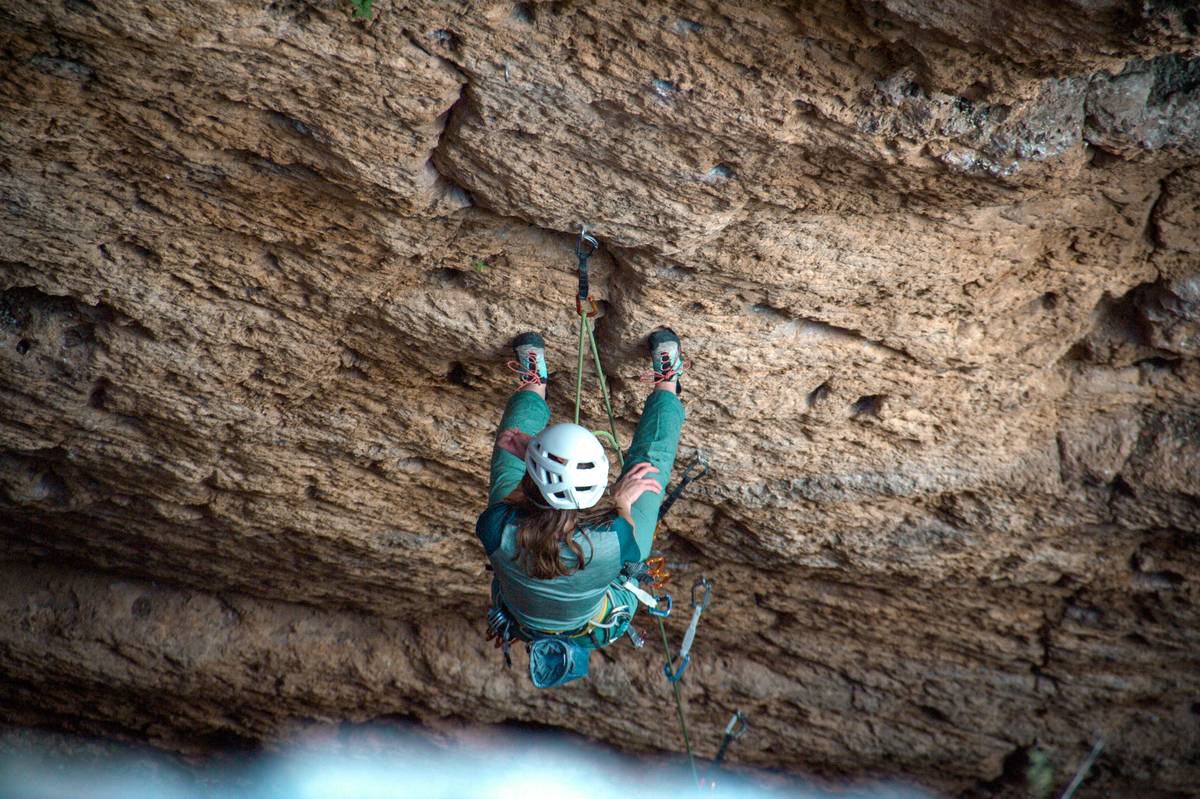
Aid soloing demands absolute reliability—but most climbers treat pitons like relics. They rust, they bend, they fail when you’re 300 feet up with no partner to catch your mistake. The stakes? Catastrophic. Yet, in certain terrain—alpine big walls, rotten sandstone, or historic routes—a well-placed piton for aid soloing isn’t just useful; it’s non-negotiable. Here’s how to wield them without becoming a cautionary tale.
The Hidden Failure of Modern Minimalism
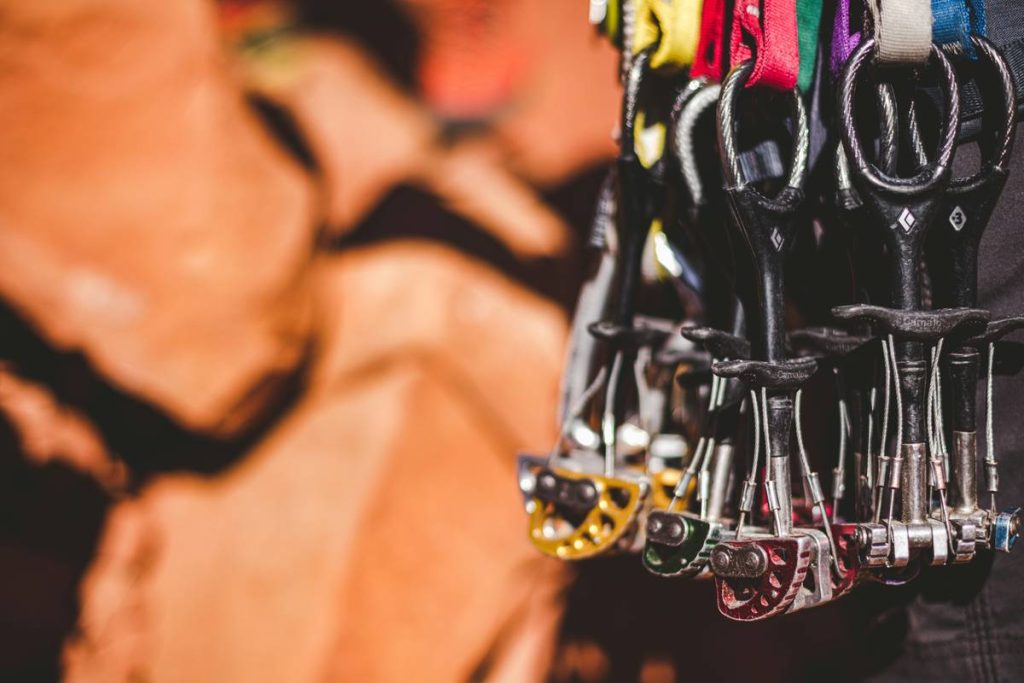
Climbers today obsess over ultralight racks: cams, nuts, micro-wires. Clean climbing is ethical—and smart. But soloists face a brutal truth: passive protection assumes rock quality. On fractured limestone or decomposed granite? Your #4 Camalot might skate right out. And without a second climber weighting the rope or testing placements, you won’t know until it’s too late.
Pitons solve this—if you know their limits. Steel bites where aluminum floats away. But misuse leads to blown-out placements or, worse, false confidence.
How to Use a Piton for Aid Soloing Without Dying
This isn’t about hammering indiscriminately. It’s surgical. Every strike must count—because you carry every gram, and every placement must hold bodyweight plus dynamic loads from your progress-capture system.
Step 1: Match Piton Type to Rock Structure
Blade pitons (like Lost Arrow or Bugaboos) excel in thin, parallel cracks. Angle pitons (e.g., KBs or Cliffhangers) grip constrictions in irregular fissures. Ring-angle hybrids? Only trust them in solid granite—not on that chossy desert tower.
Step 2: Test Before You Trust
Tap lightly first. Listen. A dull *thud* means hollow rock—a death sentence. A sharp *ping*? Solid. Drive it home only if sound confirms integrity. And always back it up with a secondary piece within reach during transitions.
Step 3: Integrate With Your Solo System
Your daisy chain connects to the piton’s eye—not the ring. Why? Rings can shear under lateral load. Eyes handle multi-directional force better. Pair with a Petzl Micro Traxion or Silent Partner for redundancy.
| Piton Type | Ideal Rock | Weight (per unit) | Solo Reliability Rating |
|---|---|---|---|
| Blade (e.g., Lost Arrow) | Parallel cracks in granite/sandstone | 85–110g | ★★★★☆ |
| Angle (e.g., KB) | Irregular fissures, alpine limestone | 120–160g | ★★★☆☆ |
| Bashie (micro-blade) | Shallow seams, marginal aid | 40–60g | ★★☆☆☆ |
| Ring-angle hybrid | Solid granite only | 140g+ | ★★★☆☆ (with caveats) |
The Industry Secret: Pitons as Temporary Anchors—Not Permanent Gear
Here’s what guidebooks won’t tell you: many elite soloists carry 2–3 pitons not for lead protection—but for building bomber anchors at stances where natural gear fails. You clean them on rappel. Zero impact. Maximum safety.
But—and this is critical—you must practice extraction techniques on the ground first. A stuck KB after six pitches alone? That’s not adventure. It’s a rescue call. Use a light oil coating before ascent. Wrap the eye with tape to reduce snagging. And never rely on a single piton for your anchor—ever.
Think about it: in the 1970s, soloists hammered hundreds of pitons. Today’s ethic rightly bans that. But rejecting steel entirely on dicey solo terrain? That’s dogma overriding survival.
Frequently Asked Questions
Can you aid solo with only pitons?
No. Combine with cams and nuts. Pitons are supplements—not your full rack—unless on historic fixed lines.
Are modern pitons stronger than vintage ones?
Yes. Heat-treated chromoly steel (e.g., Y&G or BD Forge) withstands 25+ kN—far beyond bodyweight solo loads.
Do I need a hammer for aid soloing?
Only if using pitons. Many soloists carry a 12-oz titanium hammer clipped to their harness—light enough, essential if placing steel.