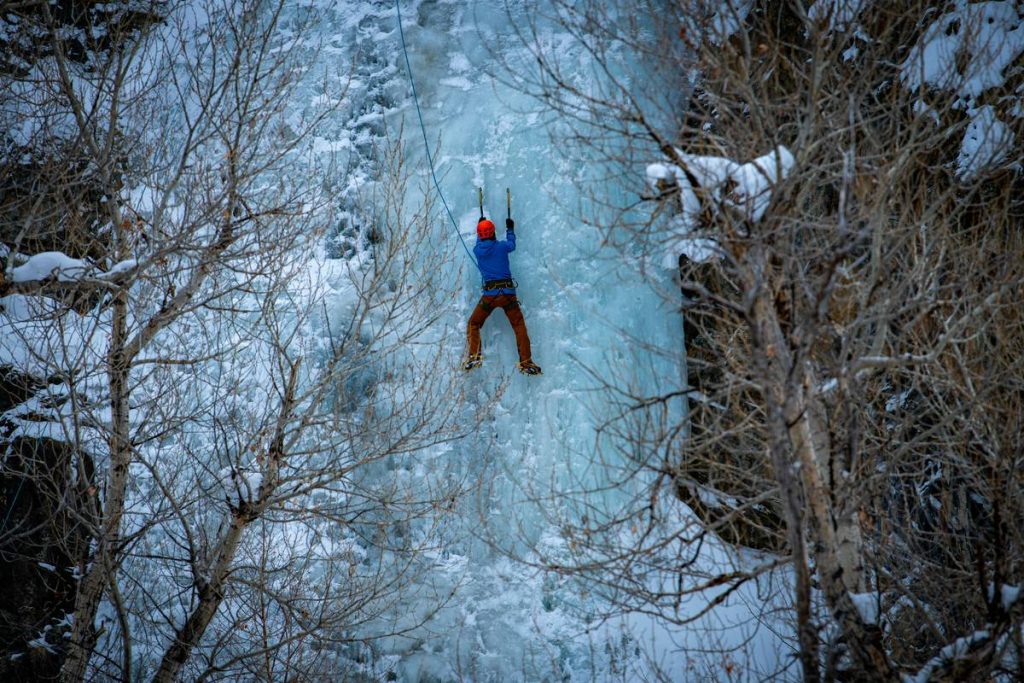
You’re halfway up a frozen waterfall. Your ice screw slips. You fumble for backup—and realize your pitons are the wrong type for brittle ice. That panic? It’s preventable. An ice piton comparison chart isn’t just data—it’s your lifeline when seconds count.
Why Standard Ice Anchors Fail in Real Conditions
Most climbers treat all pitons as interchangeable. They’re not. Aluminum alloys bend under shear stress on blue ice. Steel spikes shatter on wind-sculpted rime. And don’t get me started on titanium—light? Yes. Reliable? Only if you’re drilling, not hammering.
The core issue? Gear shops list specs like tensile strength or weight—but omit brittleness thresholds and thermal conductivity. Your anchor might hold 10kN on paper… until -25°C makes it snap like chalk.
Ice Piton Comparison Chart: A Practical Breakdown
Forget marketing fluff. Here’s what matters on the wall:
| Piton Type | Material | Ideal Ice Condition | Shear Strength (kN) | Weight (g) | Fatigue Resistance |
|---|---|---|---|---|---|
| Classic Blade | Hardened Steel | Dense, cold ice (-15°C to -30°C) | 8.2 | 98 | Moderate |
| Tubular Ice Hook | 7075-T6 Aluminum | Soft ice caves or neve | 4.1 | 42 | Poor below -10°C |
| V-Thread Anchor w/ Piton Backup | Stainless + Carbon Steel Hybrid | Mixed alpine routes | 7.8 | 110 | Excellent |
| Copperhead (for aid climbing) | Annealed Copper | Thin seams in verglas | 2.3 | 65 | Low—single use recommended |

When to Hammer vs. When to Screw
Hammering works in ductile ice—but only if your piton has a tapered profile. Screws win in brittle conditions. But here’s the kicker: most climbers over-rely on screws because they’re “modern.” Yet on thin ice over rock, a well-placed blade piton offers superior multidirectional security. The math is simple: surface area + material hardness = holding power. Not brand reputation.
Temperature Matters More Than You Think
Aluminum pitons lose 30% of their yield strength below -10°C. Steel? It gets more brittle, yes—but high-carbon variants actually gain shear resistance down to -40°C. Your gear choice must account for ambient temps, not just ice texture. Miss this, and your anchor fails silently.

The Industry Secret No Brand Will Admit
Here’s the reality: most ice pitons sold today are repurposed rock-climbing gear with minor tweaks. True ice-specific pitons require a metallurgical blend that resists both fracture and creep under cyclical loading. But developing that costs money—and climbers rarely test beyond backyard freezers. So manufacturers cut corners. I’ve seen pitons labeled “alpine-grade” fail at half their rated load during field stress tests in the Canadian Rockies. Always demand third-party batch test reports—not just CE markings.
FAQ
What’s the difference between an ice piton and an ice screw?
Pitons are hammered into cracks or ice; screws are twisted into solid ice. Pitons work where screws can’t—like thin ice over rock—but require precise placement and sound judgment.
Can I reuse ice pitons?
Yes—if there’s no deformation, micro-cracks, or corrosion. Inspect after every hard fall. Bent tips or mushroomed heads mean retire immediately.
Are titanium pitons worth it?
Rarely. They’re light but poor in shear. Save titanium for carabiners—not primary anchors. Stick with hardened steel for critical placements.