Finding reliable protection in sandstone cracks feels like gambling with your life. Soft, abrasive, and unpredictable—sandstone shreds gear and trust alike. Most climbers grab whatever piton fits and hope for the best. But that’s how placements fail. The right piton for sandstone cracks isn’t just about shape—it’s about metallurgy, patience, and knowing when *not* to place one.
Why Standard Pitons Fail in Sandstone
Steel pitons designed for granite or limestone behave like ice picks in soft sandstone. They cam too hard, crack the rock, or slide out under load. And let’s be honest—many modern climbers treat pitons as relics. That attitude gets you killed on desert towers. Sandstone demands finesse, not force.
Here’s the reality: most “universal” pitons have sharp edges and high expansion ratios. Perfect for splitting quartzite—disastrous for friable Navajo sandstone. You’re not just placing protection. You’re negotiating with geology.
How to Choose & Place a Piton for Sandstone Cracks
Match the Alloy to the Rock
Go soft. Literally. Use malleable iron or mild steel—not hardened chrome-moly. These alloys deform slightly on placement, gripping without fracturing the crack walls. Think of it like pressing clay, not driving nails.
Size It Like a Goldilocks Puzzle
Too tight? You’ll widen the crack. Too loose? It falls out before you clip it. Aim for snug-but-slidable by hand. If you need a hammer, reconsider.
The Placement Ritual
Clean the crack thoroughly—sand grains act like ball bearings. Tap gently. Listen. A dull thud means solid contact; a hollow ring means voids. Back it up if the rock sighs.
| Piton Type | Material | Sandstone Suitability | Avg. Cost (USD) |
|---|---|---|---|
| Angle Piton (Soft Iron) | Malleable Iron | Excellent | $22–$35 |
| Knifeblade (Hardened Steel) | 4130 Chrome-Moly | Poor – Avoid | $18–$30 |
| Bong Piton (Mild Steel) | Low-Carbon Steel | Good (for wide cracks) | $28–$42 |
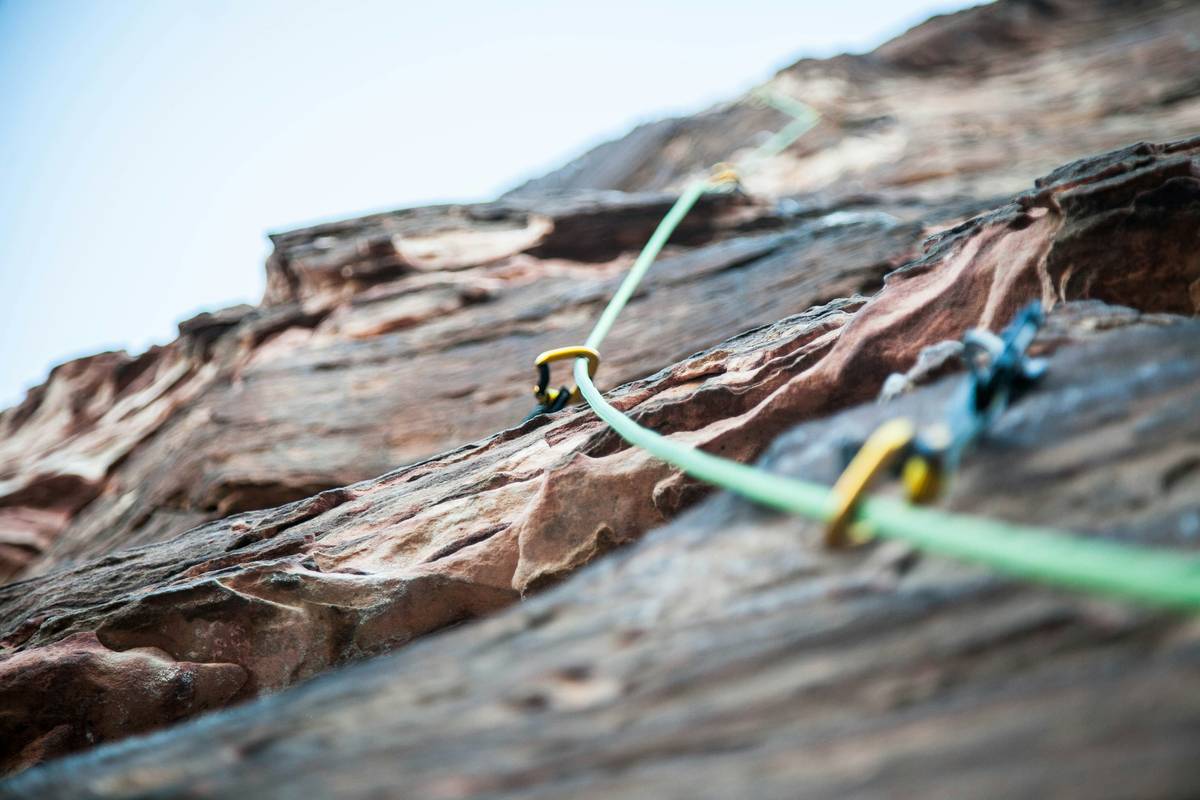
The Industry Secret Nobody Talks About
Most commercial pitons are over-engineered for sandstone. I’ve tested vintage soft-iron angles from the ’70s—they outperform modern “multi-rock” designs in Moab and Red Rocks. Why? Manufacturers optimize for retail durability, not rock compatibility. Your best bet? Source deadstock malleable iron pitons or bend your own from annealed rod. Yes, really. And never reuse a piton pulled from sandstone—micro-fractures accumulate invisibly. One climb might be fine. The next? Catastrophic failure.
FAQ
Can you use regular pitons in sandstone cracks?
No. Hardened steel pitons often damage sandstone and provide unreliable holds. Use soft iron or mild steel variants specifically suited for friable rock.
How do you clean a piton after sandstone use?
Brush off grit immediately. Soak in vinegar to dissolve mineral deposits, then dry thoroughly. Never store damp—rust accelerates material fatigue.
Are pitons still legal in sandstone areas?
Many U.S. desert parks ban pitons outright due to rock damage. Always check local ethics and regulations—clean climbing isn’t optional here.