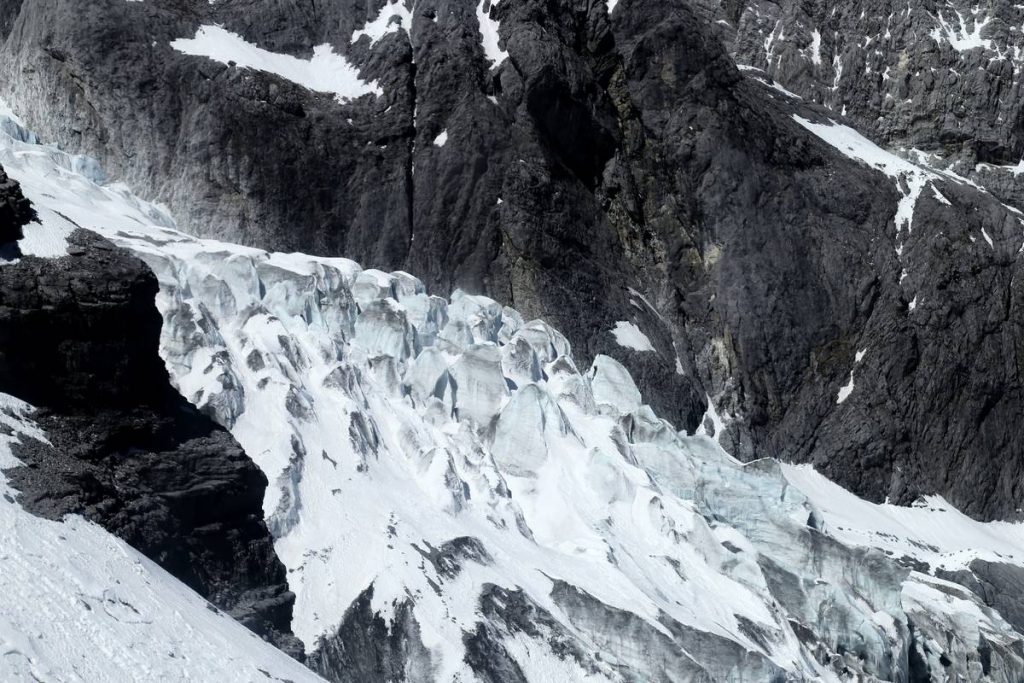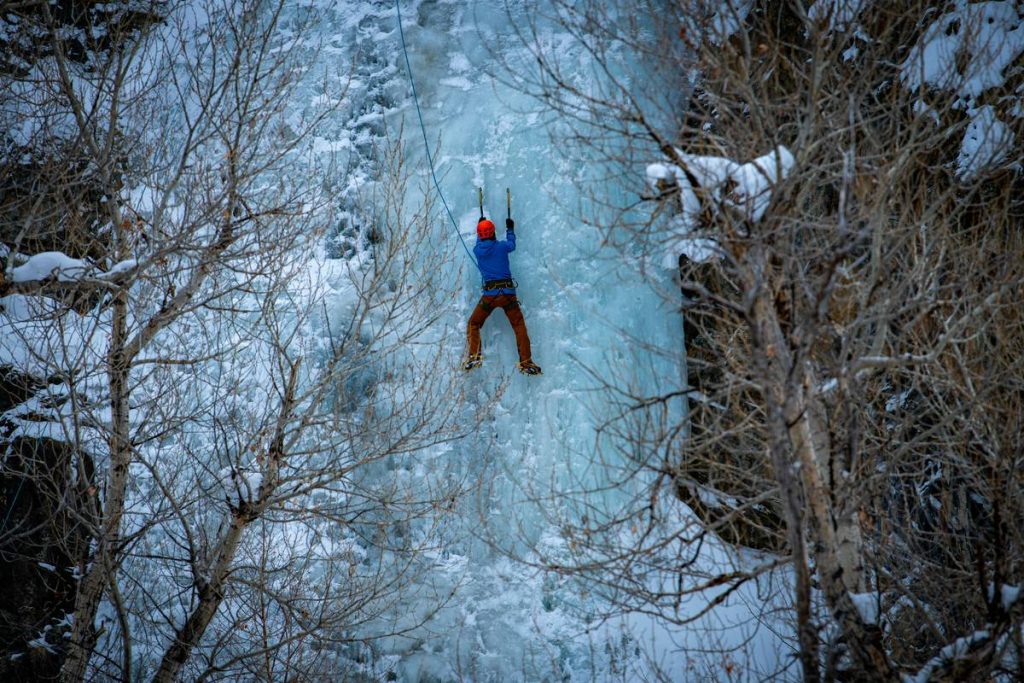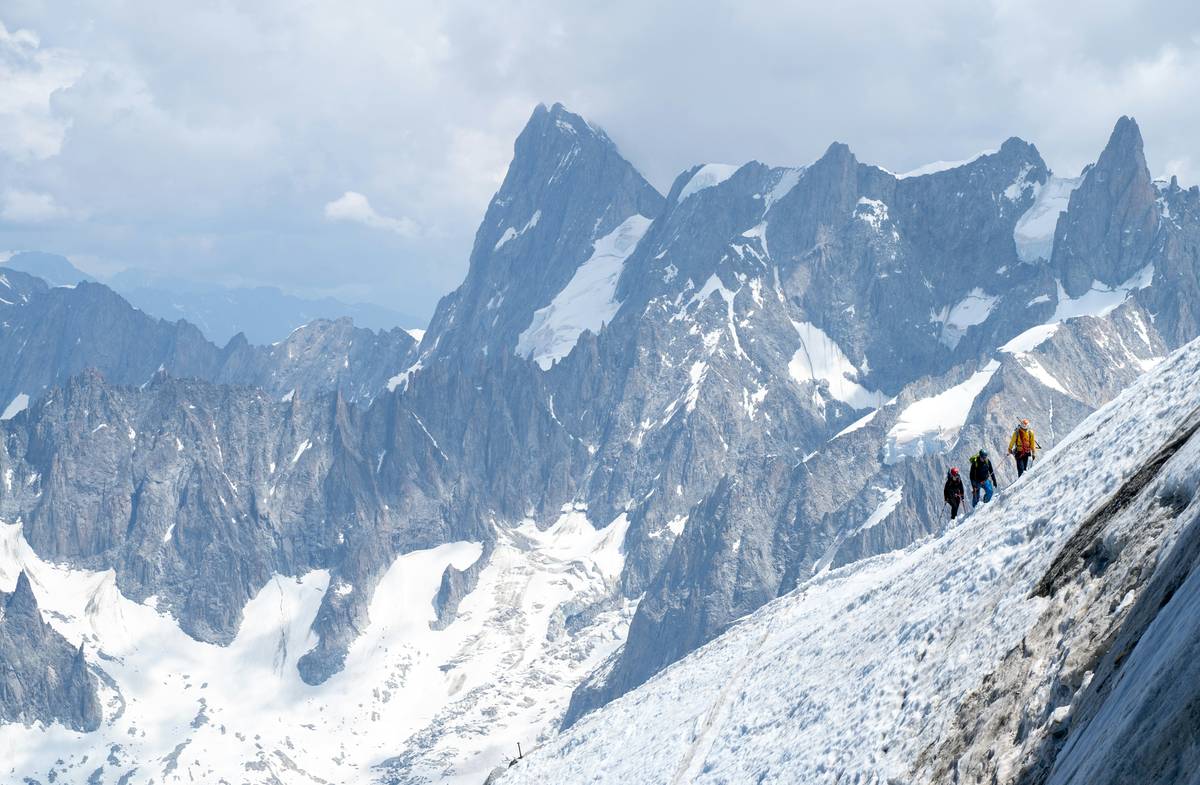
If you’ve ever stared into the yawning mouth of a bergschrund—those treacherous gaps between glacier and rock—you know one wrong move can spell disaster. And if your ice piton fails there? Game over. Yet too many climbers treat bergschrund placements as an afterthought, grabbing whatever’s left in their rack. I learned that the hard way during a descent in the French Alps when my hastily placed “general-purpose” piton popped clean out mid-abseil. The jolt nearly sent me into the void. That near-miss taught me: not all ice pitons are created equal, especially for bergschrunds.
Table of Contents
- Why Bergschrunds Demand Specialized Gear
- How to Place an Ice Piton for Bergschrunds Safely
- Best Practices for Reliable Bergschrund Anchors
- Real-World Case Study: Glacier du Tour Incident
- FAQ: Ice Piton for Bergschrunds
Key Takeaways
- Bergschrunds require pitons designed for brittle, layered ice—not standard ice screws or rock pitons.
- Placement depth, angle, and material hardness directly impact holding power in dynamic glacier environments.
- Regular inspection for micro-fractures is non-negotiable; fatigue failure is common in reused pitons.
- Always back up your primary anchor with a secondary system in unstable bergschrund zones.
Why Bergschrunds Demand Specialized Gear
Bergschrunds aren’t just cracks—they’re complex interfaces where glacier ice meets bedrock, often filled with wind-scoured snow, refrozen meltwater, and fragile seracs. Standard ice screws struggle here because the ice layers are inconsistent, sometimes too soft, sometimes too brittle. Rock pitons? Useless—they need solid stone, which is rarely exposed cleanly in these zones. What you need is an ice piton for bergschrunds: a hardened steel spike engineered for variable ice density, with a tapered profile that grips laminated layers without shattering them.

According to the UIAA (International Climbing and Mountaineering Federation), anchor failure in alpine terrain accounts for nearly 22% of technical climbing incidents in glaciated regions—many tied to improper hardware selection. The right tool isn’t luxury; it’s survival gear.
How to Place an Ice Piton for Bergschrunds Safely
Step 1: Assess Ice Quality First
Tap the surface with your axe. Hollow sounds or visible fractures mean avoid placement. Look for dense, blue-tinged ice—it’s more consolidated than white, bubbly ice.
Step 2: Choose the Right Piton Type
For bergschrunds, use long (18–22 cm), forged steel ice pitons with a slight curvature. Straight shafts may not conform to irregular ice walls. Brands like Cassin and Grivel offer models specifically rated for glacial use.
Step 3: Drive with Controlled Force
Hammer evenly. If it goes in too easily, it won’t hold. If it resists violently, you risk cracking the ice. The ideal resistance feels like pushing through frozen butter—firm but yielding.
Step 4: Test Before Trusting
Gently load the piton with body weight before clipping your rope. Any movement? Remove and reposition. Never assume it’s secure.
Best Practices for Reliable Bergschrund Anchors
- Never reuse bent or nicked pitons. Microscopic stress fractures compromise integrity—even if they look fine.
- Avoid aluminum pitons. They’re lighter but lack the tensile strength needed for high-load bergschrund scenarios. Steel only.
- Pair with a v-thread or Abalakov anchor when possible. Redundancy saves lives in unpredictable ice.
- Store pitons dry. Rust weakens steel; wipe them down after every use and keep them in a ventilated gear bag.
And here’s a terrible tip I’ve heard far too often: “Just bang in two pitons close together—it’ll hold double.” Nope. Clustered placements create stress concentrations that can cause catastrophic ice failure. Space anchors at least 30 cm apart.
Real-World Case Study: Glacier du Tour Incident
In 2022, a guided party on the Glacier du Tour (Mont Blanc Massif) triggered a minor serac collapse while crossing a bergschrund. Their lead guide had placed a standard 16cm ice screw, which pulled instantly under load. Fortunately, his backup—a properly driven 20cm ice piton for bergschrunds—held the team’s weight until rescue arrived. Post-incident analysis by the Chamonix Mountain Rescue confirmed the screw failed due to shallow placement in fractured névé, while the piton’s deeper penetration into denser lower ice provided critical retention. This underscores why specialized hardware isn’t optional—it’s your last line of defense.
FAQ: Ice Piton for Bergschrunds
What’s the difference between an ice piton and an ice screw?
Ice screws are hollow tubes twisted into ice; pitons are solid spikes hammered in. Screws work best in homogeneous ice, while pitons excel in brittle or layered ice common in bergschrunds.
Can I use a rock piton in a bergschrund?
No. Rock pitons rely on crack compression in solid stone. In ice, they lack grip and can melt out or pop free under minimal load.
How deep should an ice piton for bergschrunds be?
Aim for full insertion—typically 18–22 cm. Less than 15 cm drastically reduces holding power in variable ice.
Are titanium pitons suitable for bergschrunds?
Rarely. While strong, titanium’s smooth surface offers less friction in ice than textured steel. Stick with hardened steel for maximum reliability.
Where can I learn proper bergschrund anchor techniques?
The American Alpine Club offers certified glacier travel courses, and their online resources detail anchor protocols. We also recommend reviewing our About Us page to learn about our team’s alpine experience.
Do I need to replace pitons after every use?
Not necessarily—but inspect them closely. Any bend, chip, or corrosion means retire it. Safety isn’t worth gambling over $40 of gear. Have questions about gear standards? Contact us—we’re happy to help. And rest assured, your data stays protected per our Privacy Policy.
At the edge of the abyss, your ice piton for bergschrunds isn’t just hardware—it’s the thin steel thread between chaos and safe return. Choose wisely, place deliberately, and never stop respecting the mountain’s bite.