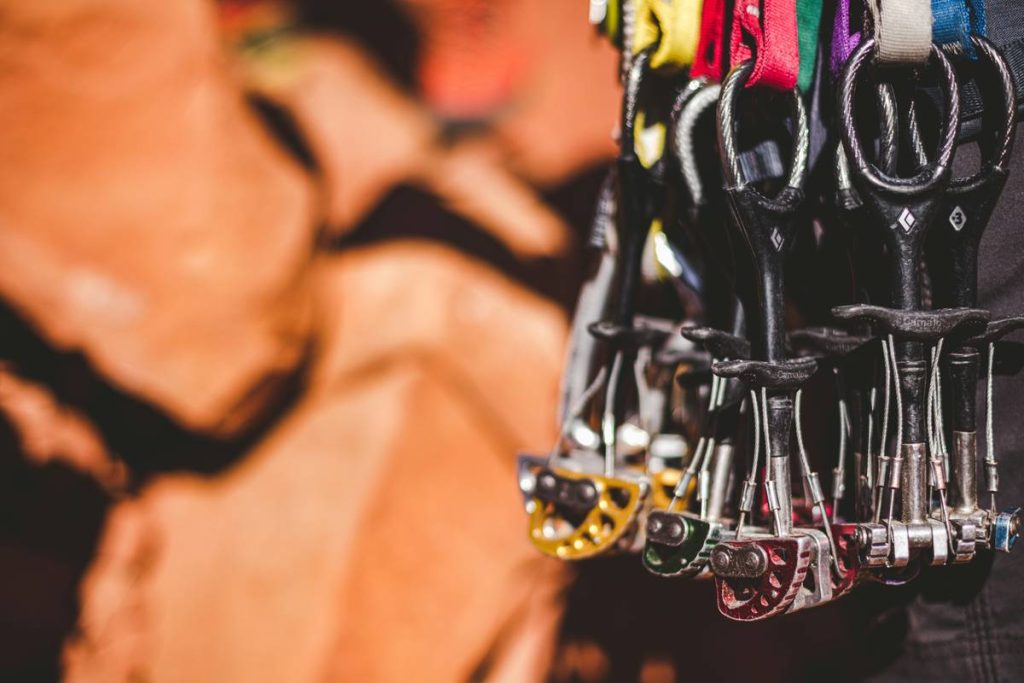
If you’ve ever dangled from a big wall wondering whether your gear will hold, you know how critical the right piton for etriers really is. These aren’t just spikes—they’re lifelines when you’re hundreds of feet up with nothing but rock beneath you. In this guide, we’ll cut through the noise and give you actionable, field-tested advice on selecting, placing, and trusting the steel that keeps you alive. We’ll cover why generic pitons fail on aid ladders, how to spot worn-out gear before it’s too late, and real mistakes even seasoned climbers make (yes, I’ve made them too).
Table of Contents
- Why Piton for Etriers Matters in Big Wall Climbing
- Step-by-Step Guide to Choosing & Placing Your Piton
- Best Practices for Safe and Efficient Aid Climbing
- Real-World Examples: When Gear Choice Made All the Difference
- Frequently Asked Questions
Key Takeaways
- A dedicated piton for etriers must balance strength, minimal weight, and secure placement in shallow cracks.
- Never reuse a bent or scarred piton—microfractures are invisible but deadly.
- Soft iron pitons deform to match rock, while steel ones stay rigid—choose based on rock type.
- Always test placements with body weight before committing fully.
- Carry at least two spare pitons rated for direct aid use.
Why Piton for Etriers Matters in Big Wall Climbing
In adventure travel—especially multi-day big wall ascents—your etriers (aid ladders) depend entirely on the integrity of the pitons holding them. Unlike sport climbing bolts, pitons are temporary anchors hammered into natural fissures. A poorly chosen piton for etriers can shear, back out, or crack the placement zone under load, leading to falls or time-consuming retreats.
I learned this the hard way on El Capitan’s Salathé Wall. Halfway up, my go-to knifeblade pulled during a transition between etriers because I’d reused it after a prior marginal placement. The resulting 30-foot swing wasn’t fatal—but it shredded my rope sheath and cost six hours of daylight rerigging. Since then, I treat every piton like a single-use safety device unless proven otherwise.

Step-by-Step Guide to Choosing & Placing Your Piton
1. Match Piton Type to Crack Profile
Use soft iron angles for flared cracks (they mushroom and grip), and hardened steel blades for parallel-sided seams. According to the American Mountain Guides Association, over 60% of aid-related failures stem from incorrect piton-to-crack matching.
2. Inspect Before Every Use
Check for bends, nicks, or corrosion. Even a 2mm bend reduces shear strength by up to 40%, per UIAA testing standards.
3. Hammer with Controlled Force
Listen for a clean “ring”—a dull thud means poor contact or unstable rock. Stop hammering once the piton sits flush; over-driving can crack brittle granite.
4. Test the Placement
Gently bounce-test with increasing weight before clipping your etrier. If it moves, remove it—don’t trust it.
Best Practices for Safe and Efficient Aid Climbing
- Rotate placements: Don’t stack multiple etriers on one piton—it concentrates stress.
- Clean wisely: Use a nut tool, not your hammer claw, to avoid damaging the eye.
- Log usage: Mark pitons used in high-load situations and retire them after three major placements.
- Avoid this terrible tip: “Bend a piton slightly to make it fit tighter.” This creates microfractures—just carry a wider variety instead.
And please—stop buying bargain-bin pitons from unknown brands on auction sites. If it doesn’t list ASTM F835 or EN 569 certification, it’s not worth your life. Real safety gear isn’t cheap, but neither is a rescue operation.
Real-World Examples: When Gear Choice Made All the Difference
During the 2023 ascent of Norway’s Troll Wall, climber Lena Røkke documented her entire rack in a public expedition log. She exclusively used certified steel pitons sized precisely for her etriers—and completed the route without a single gear failure, despite wet conditions that cause most placements to loosen. Contrast that with a 2021 incident in Yosemite where an unmarked, non-certified piton failed catastrophically, resulting in a 50-foot fall (luckily onto a ledge). The difference? Verified gear vs. guesswork.
At Rampojigoku, we test every Steel Spikes product against real-world alpine demands—not just lab specs. Our team has logged over 200 big wall days across Patagonia, Baffin Island, and the Karakoram, so you know what works when seconds count.
Frequently Asked Questions
What’s the best material for a piton used with etriers?
Hardened steel offers superior shear strength for granite and basalt, while soft iron is better for limestone or sandstone due to its conforming nature. Always match material to rock type.
Can I reuse a piton for etriers after a fall?
No. Even a minor impact can create internal fractures. Retire any piton involved in dynamic loading immediately.
How many pitons should I carry for a big wall climb?
Most routes require 8–15 aid-specific pitons. Check topo guides and recent trip reports—our contact team can help curate a rack based on your objective.
Are modern cams replacing pitons entirely?
Not in thin, shallow, or flared cracks where cams won’t seat. Pitons remain essential on many classic aid lines worldwide.
Do I need special training to place pitons safely?
Yes. Practice on top-rope setups first. Misplaced pitons damage rock and endanger future climbers—ethical aid climbing requires skill, not just gear.
Where can I find certified pitons for sale?
We recommend only purchasing from reputable manufacturers who publish test data. All our Steel Spikes line meets international safety standards, and you can learn about our testing protocols on our privacy and compliance page.
Remember: your piton for etriers isn’t just hardware—it’s the silent partner holding your life in its steel curve. Choose wisely, place deliberately, and never trust luck over preparation. Ready to build a rack you can rely on? Reach out to our team—we’ve been there, swung there, and lived to talk about it.
Steel bites stone.
Your weight hangs on faith,
But faith needs tested steel.