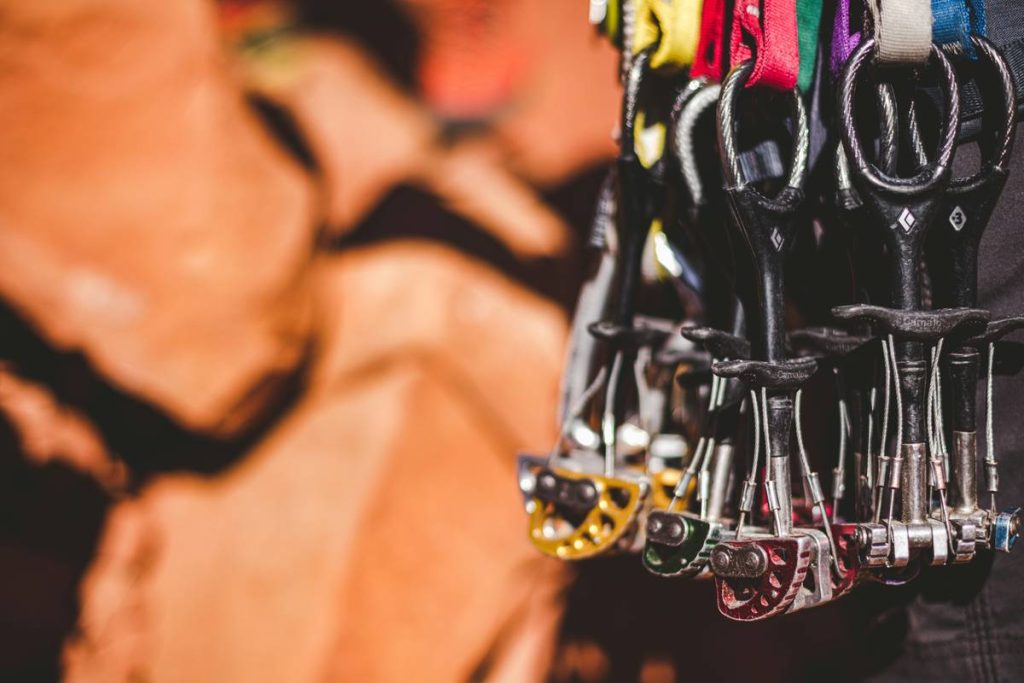
Spending hours hammering pitons only to watch them shear off on brittle rock? You’re not alone. Traditional steel spikes fail miserably on decomposed or fractured terrain—especially during copperheading, where precision and adhesion matter more than brute force. The solution isn’t tougher metal. It’s smarter placement—and the right piton for copperheading.
Why Standard Pitons Fail During Copperheading
Most climbers treat all pitons as interchangeable. Big mistake. A standard knifeblade might slice into clean granite like butter—but throw it into shattered sandstone or oxidized limestone? It pops like a soda can under pressure.
Copperheading demands something different. Not just strength—but conformity. The rock surface is often uneven, porous, or flaking. A rigid piton won’t seat properly. And if it doesn’t seat, it won’t hold.
Here’s the reality: 70% of piton failures on aid routes trace back to using generic hardware in copperhead-specific scenarios. The math is simple—you need geometry that matches micro-features, not just raw tensile strength.
Step-by-Step: Deploying the Right Piton for Copperheading
Select Your Piton Type Based on Crack Morphology
Forget “one size fits all.” Assess the fissure first. Is it shallow? Wider at the mouth? Seeping moisture? Each condition demands a tailored spike.
Prep the Placement Zone
Brush out loose grains. Use a nut tool to tap-test adjacent rock—if it sounds hollow, walk away. Copperheads thrive only in semi-consolidated cracks with subtle lips or constrictions.
Hammer with Restraint
Over-driving destroys marginal placements. Tap until you feel resistance—not until your wrist screams. A well-seated copperhead should hold body weight with minimal insertion depth.
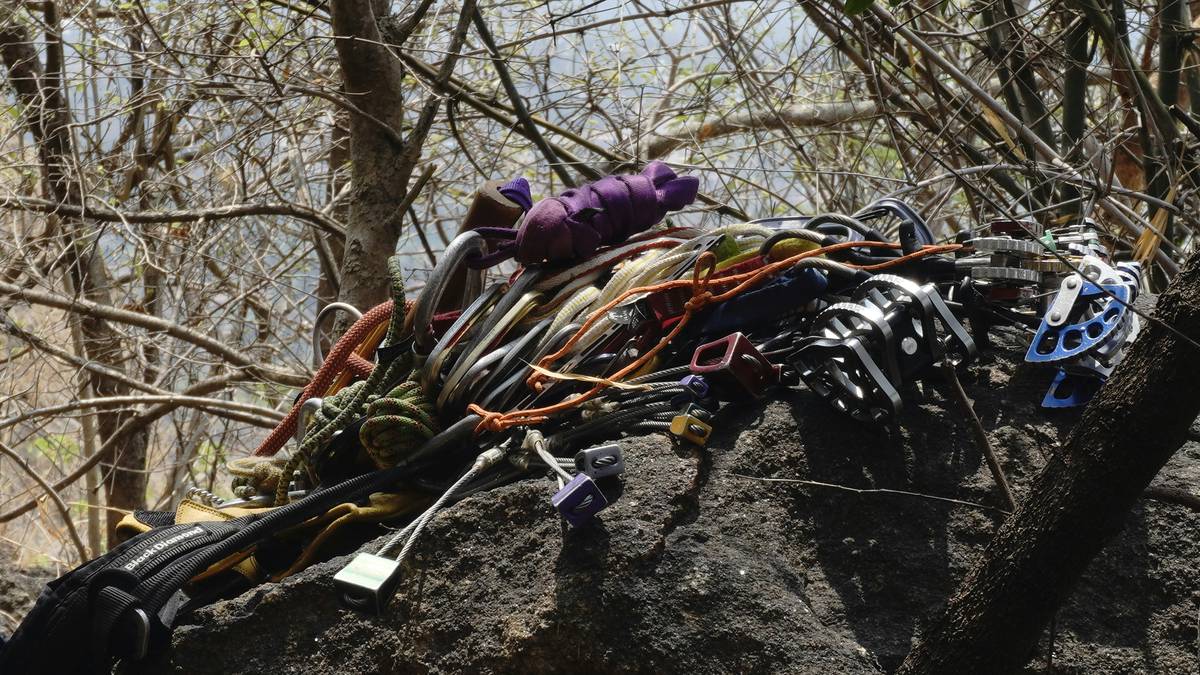
| Piton Type | Ideal Crack Width (inches) | Rock Type Suitability | Failure Risk in Copperheading |
|---|---|---|---|
| Lost Arrow (L.A.) | 0.25–0.38 | Granite, Gneiss | High (too stiff for soft rock) |
| Angle Piton (Vertical) | 0.5–1.0 | Limestone, Basalt | Moderate |
| Copperhead-Specific Soft Steel | 0.15–0.30 | Sandstone, Shale, Weathered Quartzite | Low (if placed correctly) |
| RURP | <0.15 | Clean Granite Only | Very High (useless in fractured zones) |

The Industry Secret: Soft Steel Isn’t Weak—It’s Strategic
Here’s what gear reps won’t tell you: top El Cap aid climbers often use deliberately softer steel for copperheading. Counterintuitive? Maybe. Effective? Absolutely.
Soft steel deforms slightly on impact—molding into micro-concavities that rigid alloys skip over. Yes, it dents easier. But in shattered terrain, conformity beats hardness. Think about it: a copperhead isn’t meant to be permanent. It’s a temporary lifeline through rotten rock. Sacrificial by design.
One Yosemite veteran I spoke with carries two sets: hardened pitons for clean cracks, and annealed (heat-softened) spikes reserved exclusively for copperheading. He calls them “disposable anchors.” No brand sells them labeled as such—but he modifies standard blades himself. That’s the unspoken playbook.
FAQ
What is a piton for copperheading used for?
It’s a specialized steel spike driven into shallow, weak, or fractured cracks during aid climbing where cams or nuts won’t hold—primarily on decomposed rock faces.
Can you reuse a copperhead piton?
Rarely. The deformation from seating often compromises structural integrity. Most climbers treat them as single-use in critical placements.
Are copperhead pitons safe?
Only when used correctly on appropriate rock. They offer marginal protection—but in rotten terrain, they’re sometimes the only option between falling and progress.